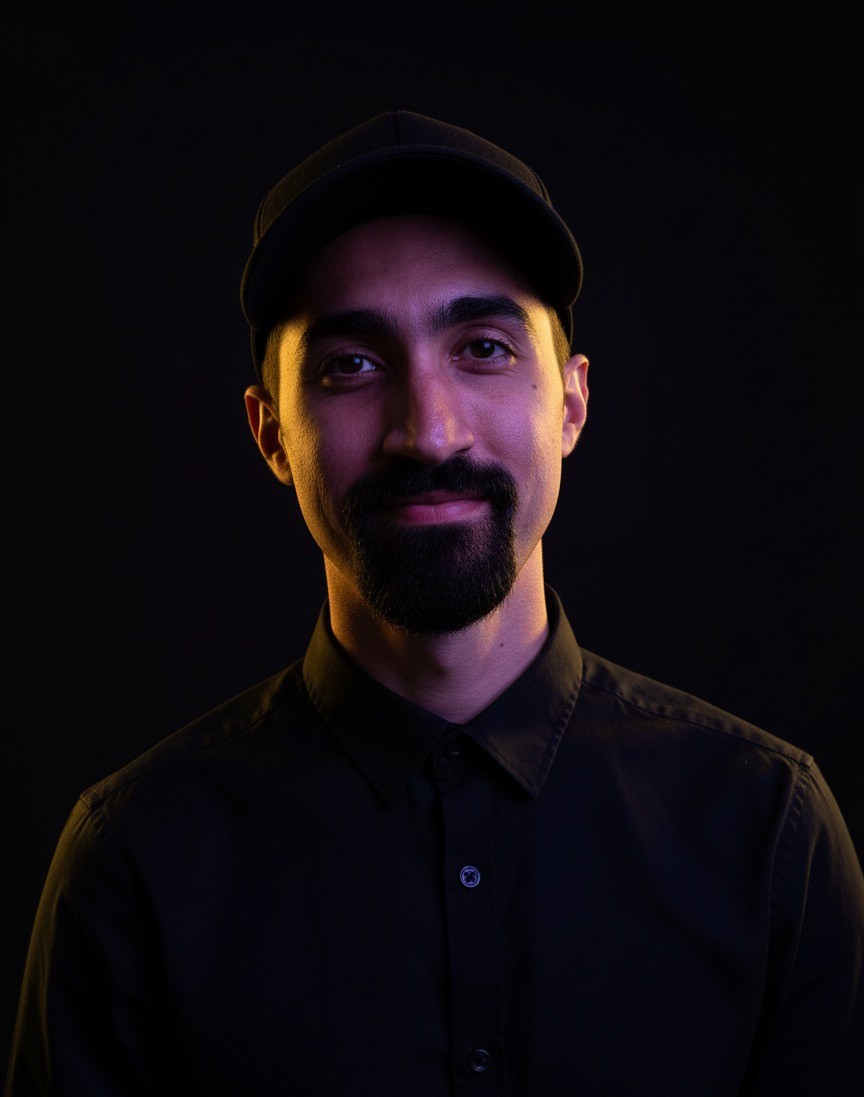
I turn design into real impact 🎯 for teams, products, and businesses. I craft paths that expand what companies can become.
My value
My career is driven by the pleasure of creating refined, meaningful experiences where every detail matters. But I look beyond the details: I turn design into strategy, decisions into direction, and teams into drivers of real value.
Since 2009, I have been building bridges between design, UX, product, and business, connecting people with results and experiences with impact.
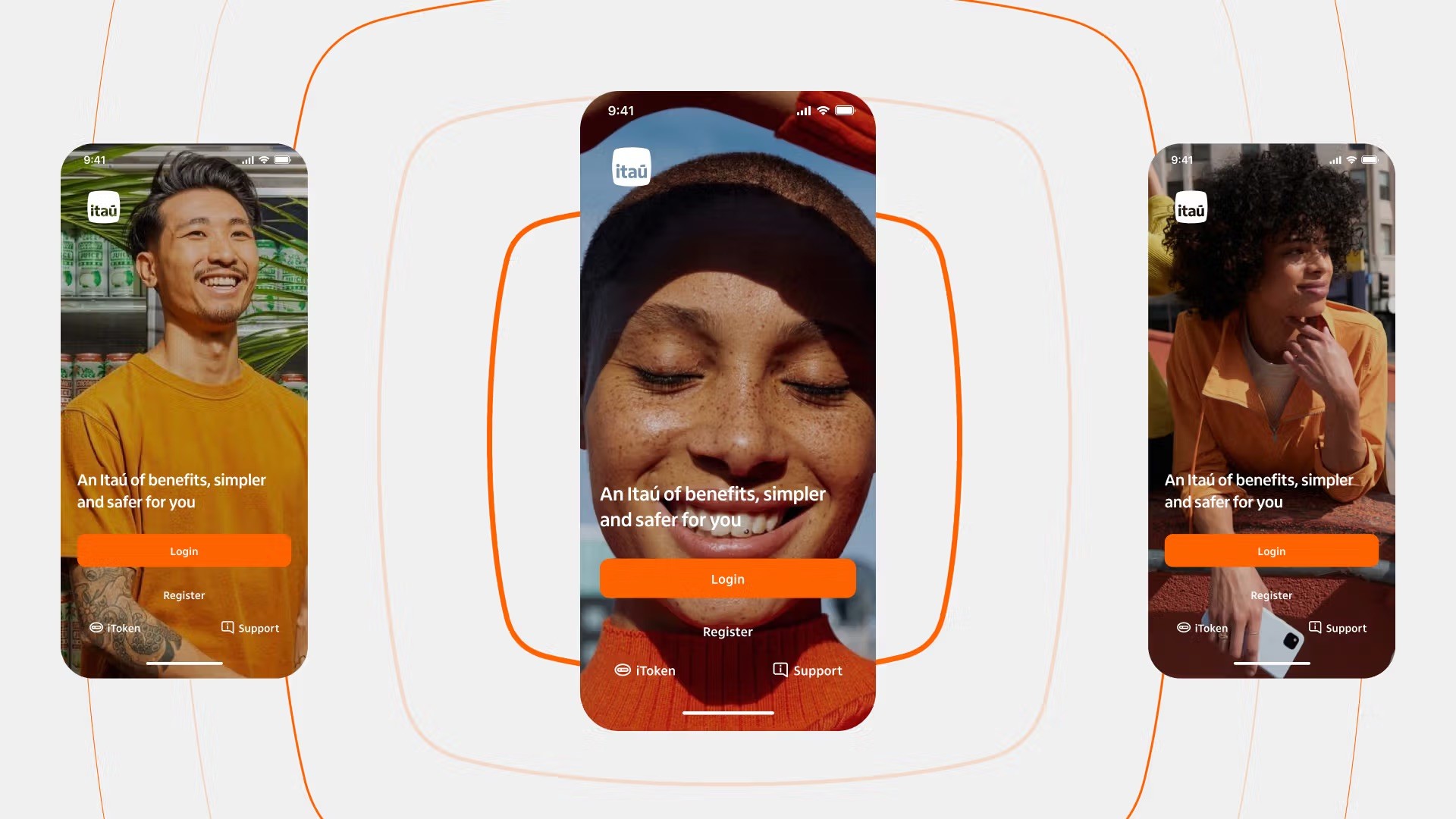
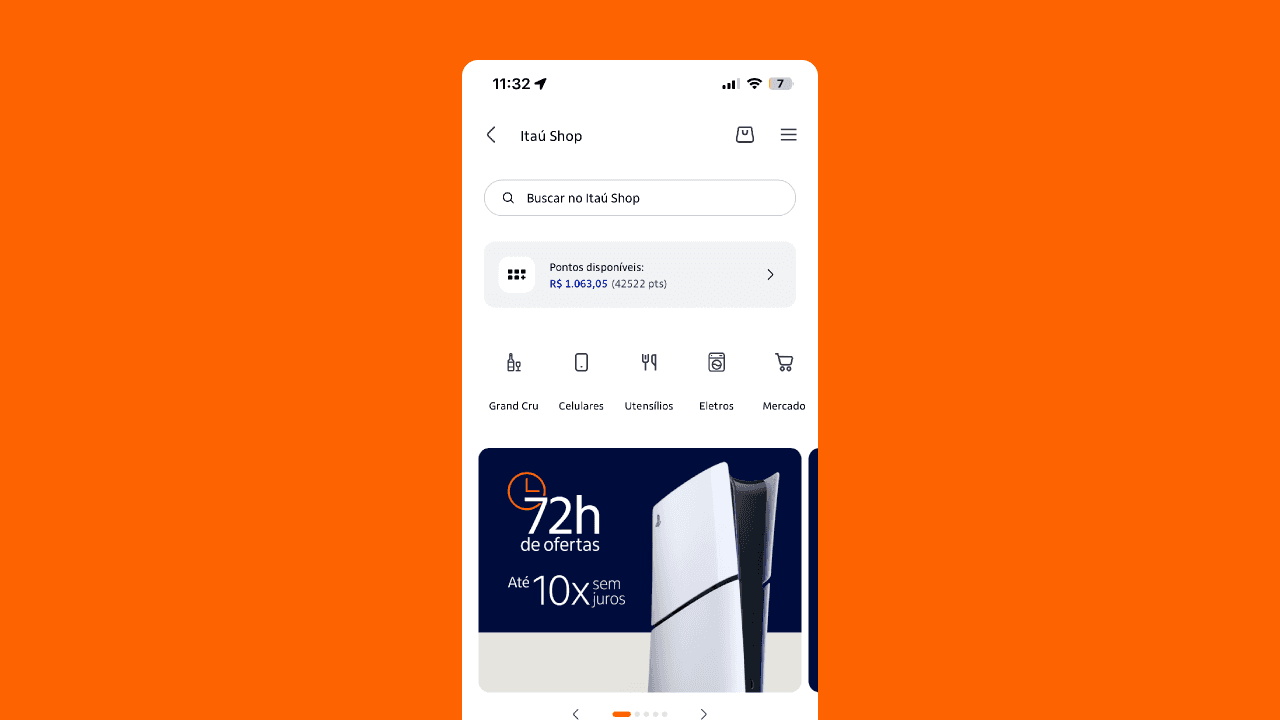
At Itaú Unibanco, I helped shape the Itaú Design System, scaling the product to serve 15,000 professionals and support experiences that reach 20 million customers.
At Santander/Esfera, I repositioned RewarDS, the company's design system, as a strategic product, increasing efficiency by 64% and connecting every decision to business goals.
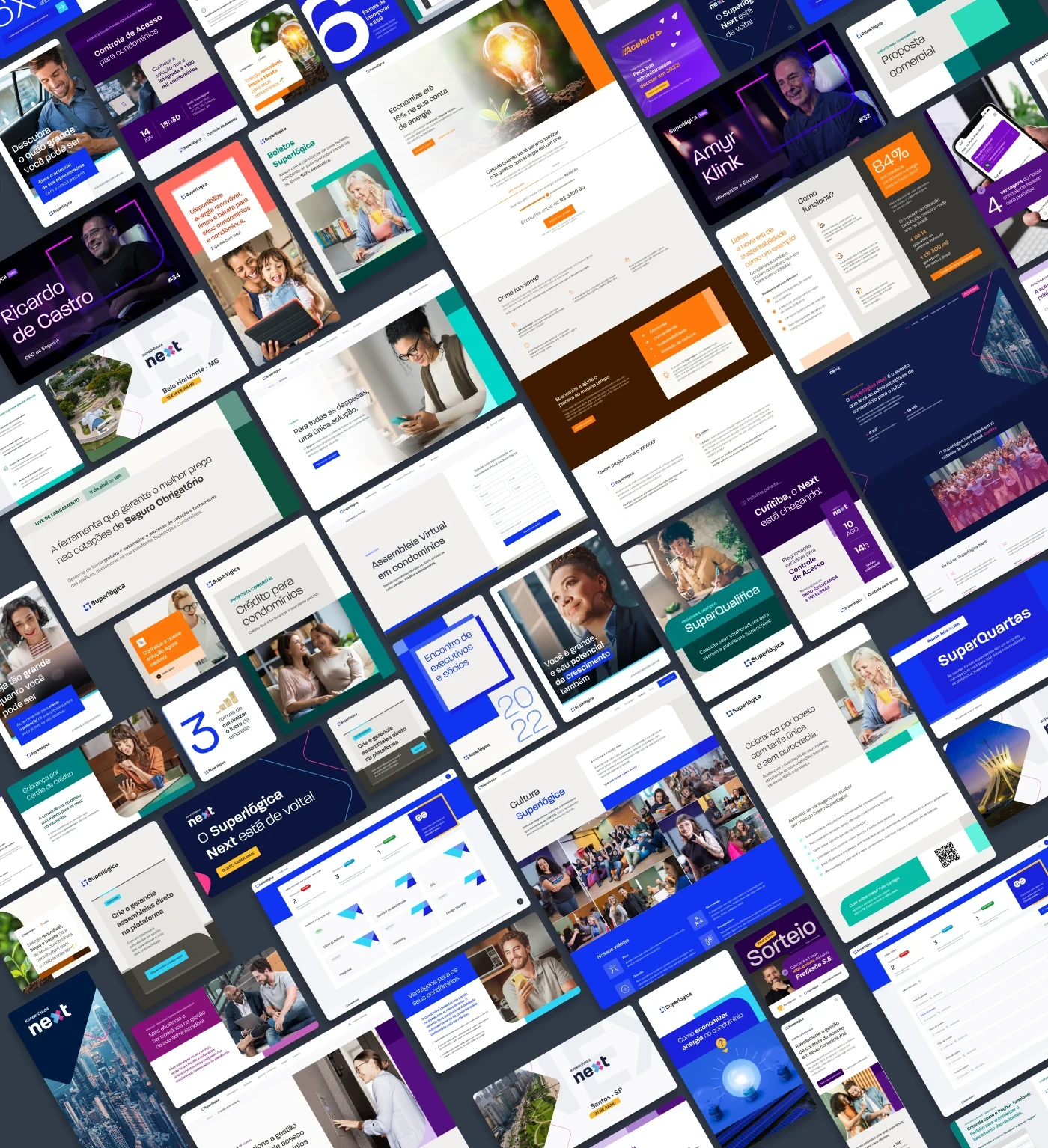
At Superlógica, I led a multidisciplinary team of more than 25 specialists, making UX Communications, design systems, and brand design drivers of growth and innovation.
But what drives me goes beyond numbers. It is the transformation of teams, experiences, and products. Every UX decision, every aesthetic choice, and every leadership process is part of the same mission: creating value that reaches beyond the screen and has a lasting impact on people and businesses.
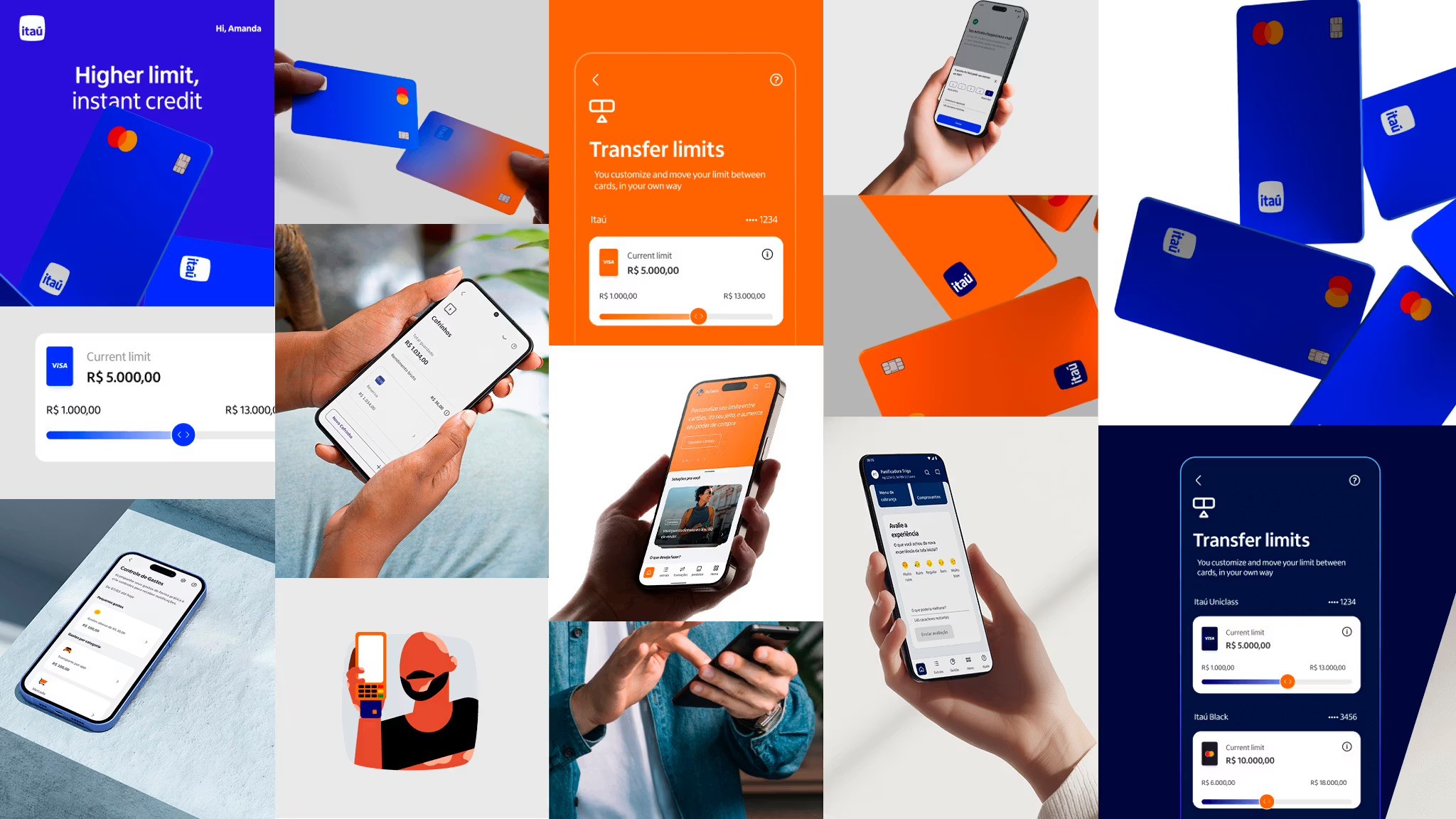
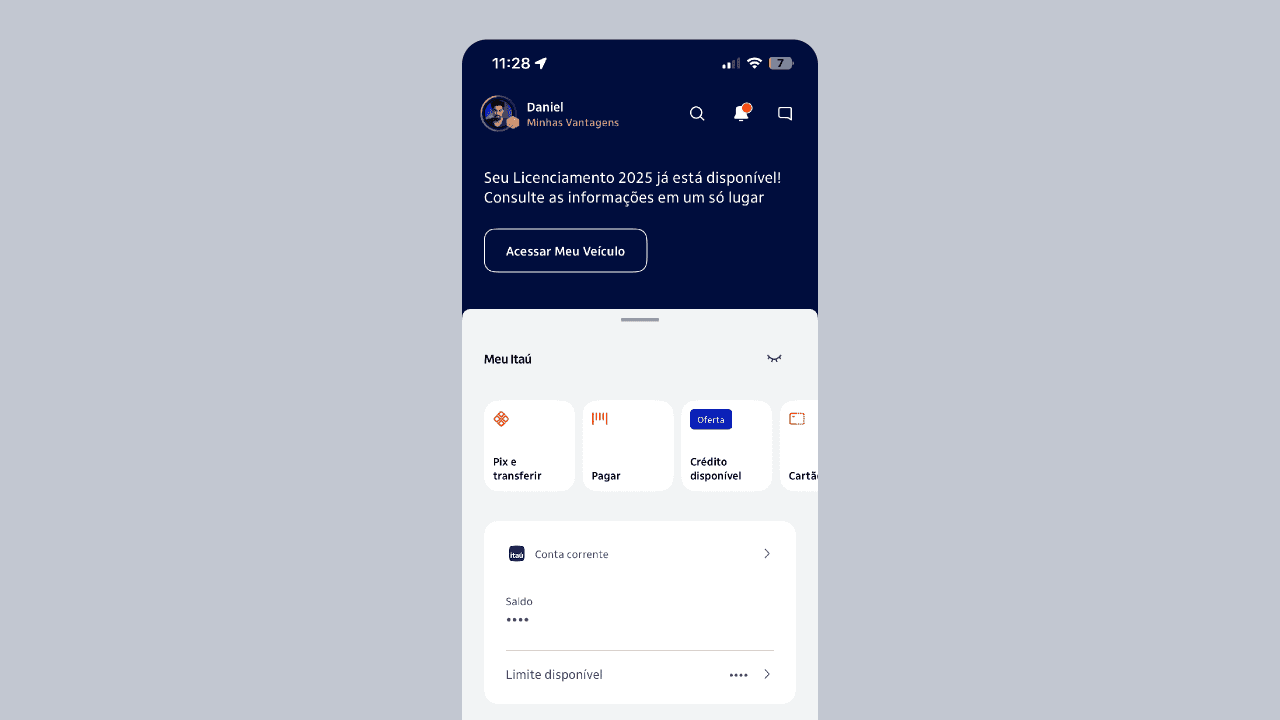
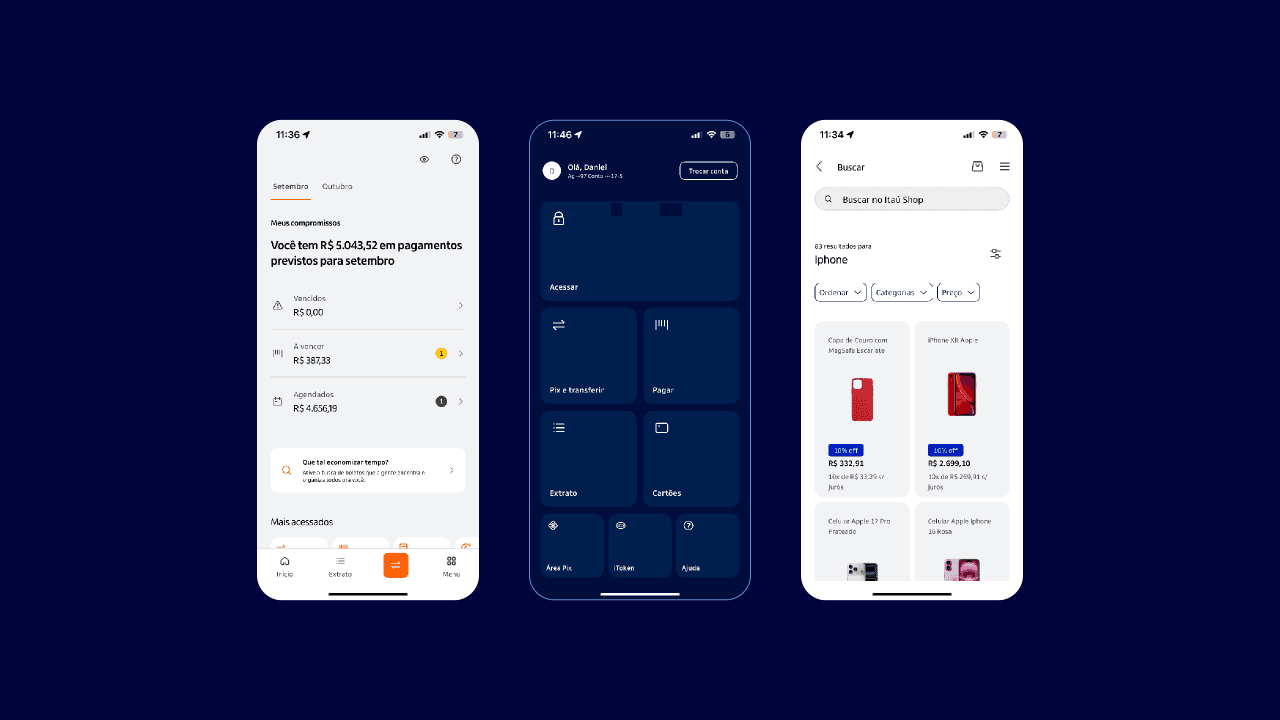
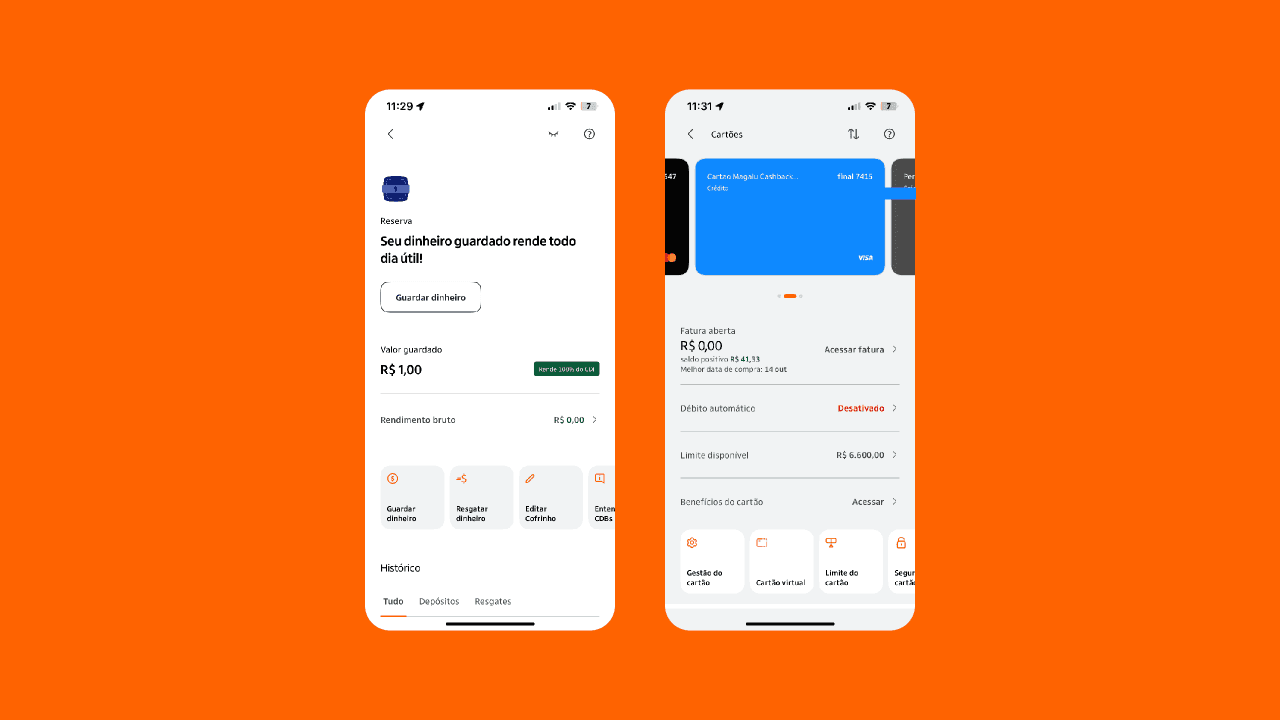
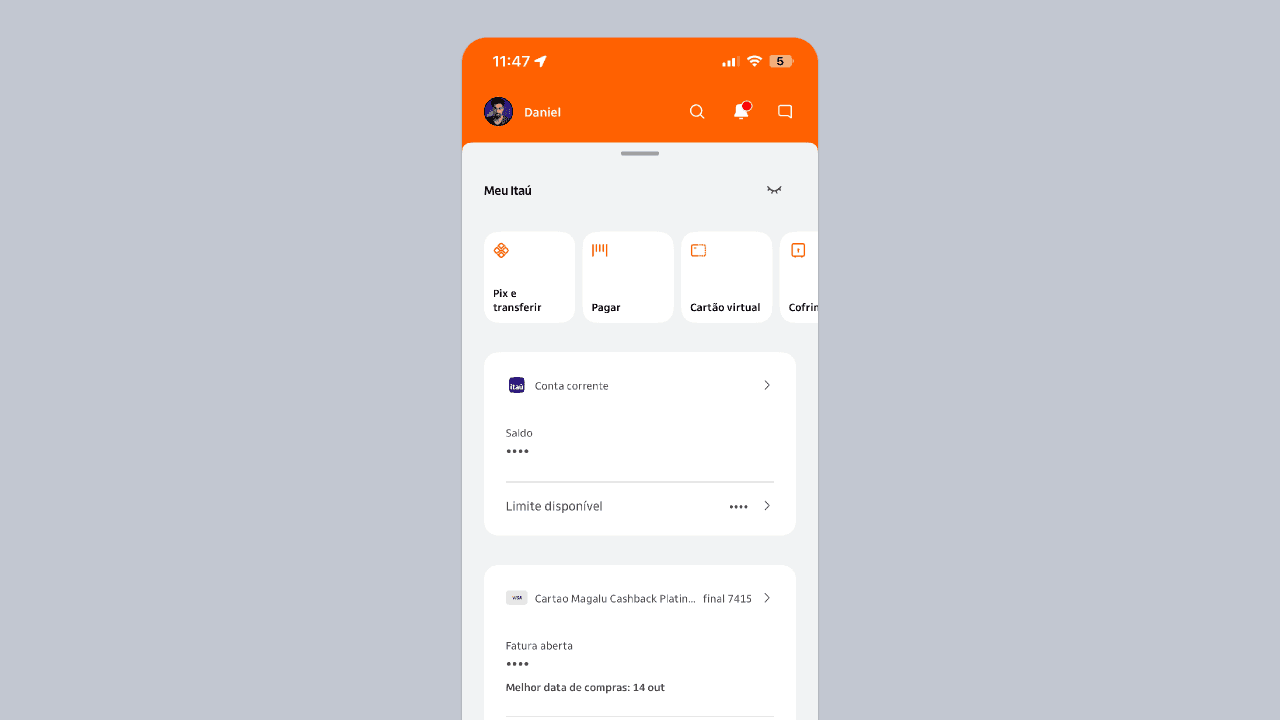
Itaú Unibanco: Leading Design Systems as a Strategic Backbone
At Itaú Unibanco, my career reached a turning point. I moved from leading teams to leading a product that would, in its own right, transform the way experiences were designed at one of the largest banks in the world. That was where I learned that influence is more powerful than control, and that a design system can be much more than a collection of libraries: it can be the backbone of an entire digital strategy.
The Itaú Design System already existed when I joined. It had started small, under the name Voxel, but the challenge became clear when we set out to make it the bank's single standard: transforming a product used by only a handful of teams into infrastructure capable of supporting the largest bank in Latin America.
For two and a half years, I led the IDS, from the creation of its first templates to the consolidation of the product's core.
In a short time, the IDS became strategic infrastructure, used by more than 15,000 internal professionals and supporting digital journeys for more than 20 million customers. We achieved 60% greater efficiency than previous solutions and an NPS above 80. These figures reflect an impact that has always been central to my mission: turning complexity into consistency and scale.
Closing critical gaps and evolving the product was part of the daily work: consistent tokens, robust components, comprehensive libraries across different technology stacks (Swift, Kotlin, Angular, and React, followed by Web Components, SwiftUI, and Android Compose), extensive documentation, accessibility, and quality standards aligned with Itaú's expectations. I also consolidated experience-pattern governance, bringing previously fragmented brands and customer journeys into alignment. Across internal squads and consulting partners, I coordinated more than 60 professionals across multiple workstreams, bringing strategy, execution, and product culture together.
The recognition came twice over: the Walter Moreira Salles Award, which selected our work as one of the bank's five most impactful projects in 2023, and the High Performance Program, which recognized me as one of its standout professionals in 2024. More than trophies, these were endorsements of a simple belief: monumental results can emerge from the bridge between design, product, and business.
At Itaú Unibanco, I learned how to turn design systems into business drivers and guide very large teams toward shared goals. Strategic vision, craft, and leadership came together to shape what often goes unseen: pathways connecting millions of people with experiences that are simple, reliable, and memorable.
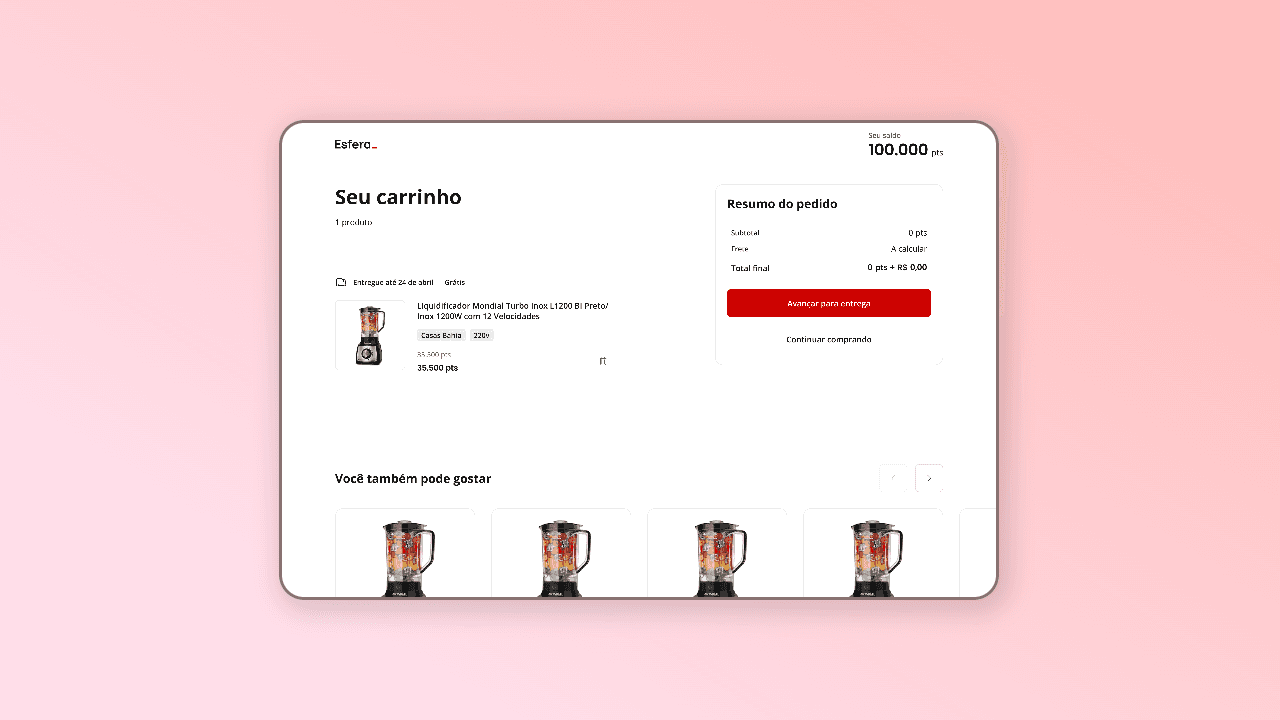
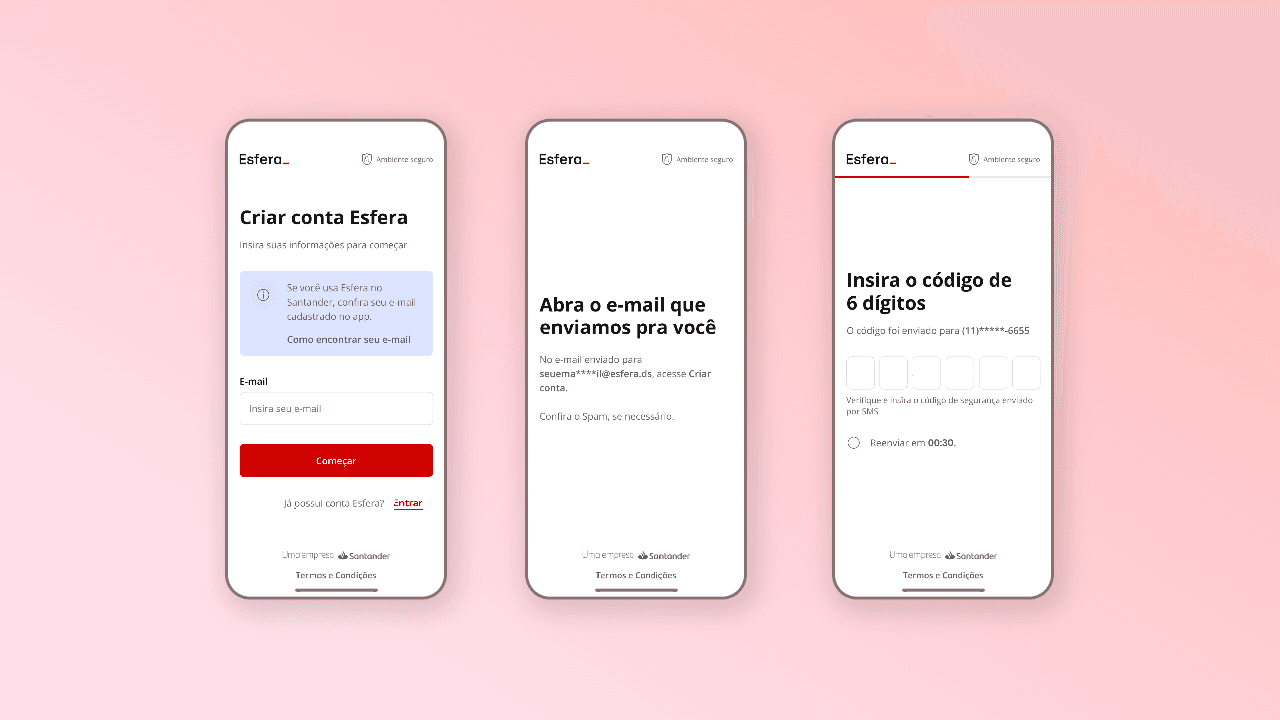
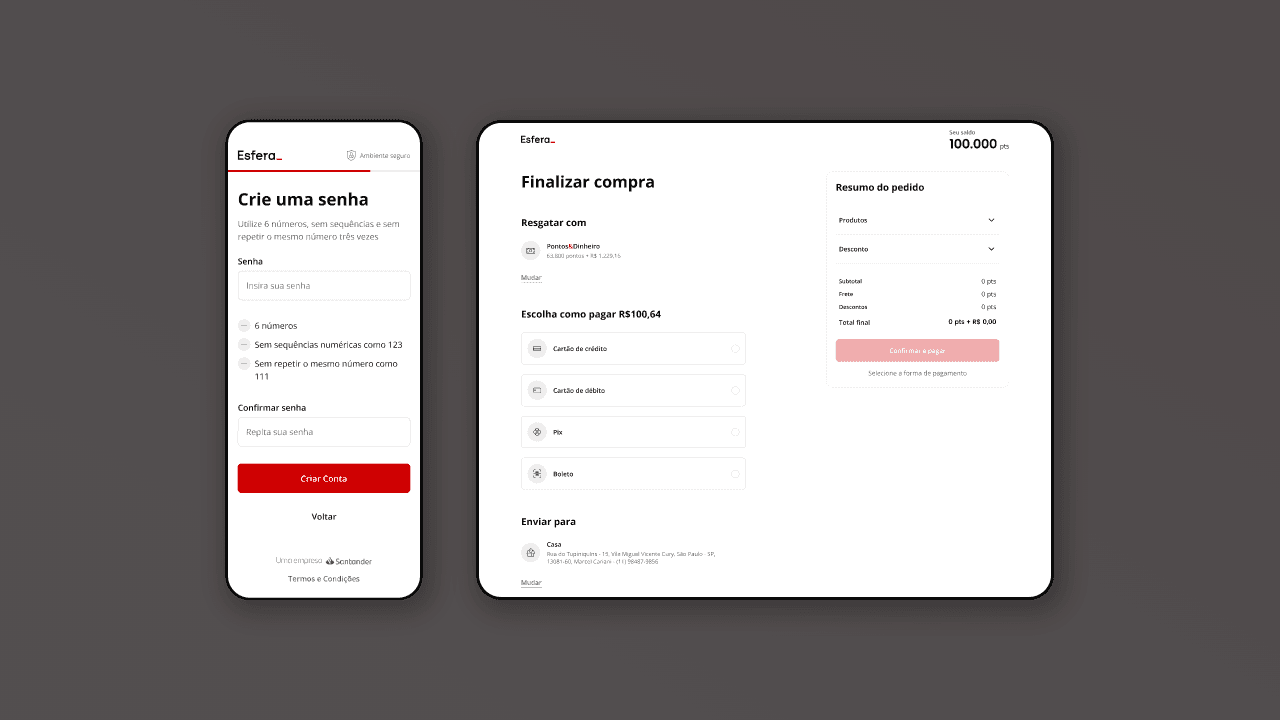
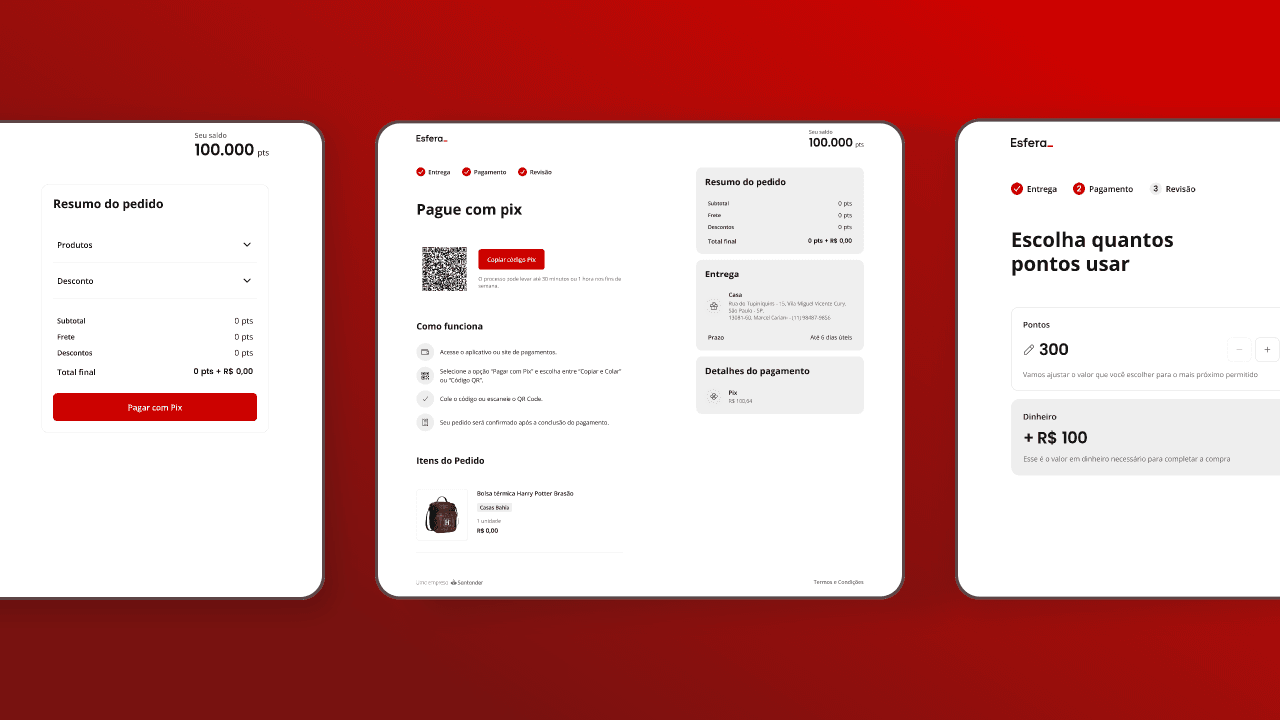
Santander Esfera: Leading Design Systems as a Business Lever
At Esfera, part of the Santander Group, I found a product hidden in the organization's basement: a design system known to only a few designers, with low adoption and almost no real impact. My mission was clear: bring RewarDS out of the shadows and put it at the heart of the company's strategy.
I repositioned the design system as a strategic product, connecting it to the business's core OKRs and to product and technology goals. What had once been a niche resource became a lever for efficiency, consistency, and speed: we achieved a 64% productivity gain and 100% adoption across all new digital journeys.
The breakthrough came from connecting the loose ends: aligning technology leaders, engaging product teams, creating a universal handoff model, and communicating the value of the design system across the organization. RewarDS evolved from 48 components available only to designers, with another 12 still invisible to developers, into a reliable platform supported by public documentation, agile processes, and clear governance.
Recognition soon followed: the Head of Product and GPMs began referring to the design system as an essential part of the company's most important strategic initiatives.
At Esfera, I demonstrated that a design system can be the mechanism that supports business strategy and connects teams to tangible results. I turned silence into a voice, technical work into impact, and a forgotten product into an engine for the future.
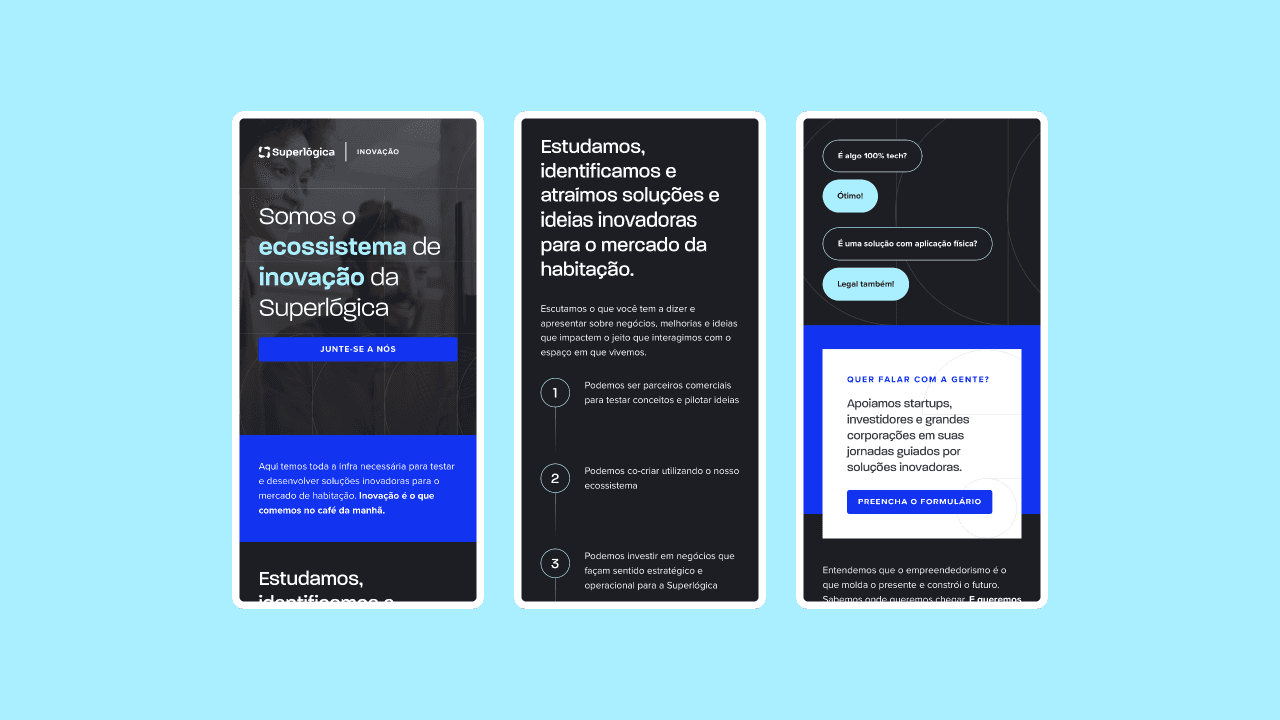
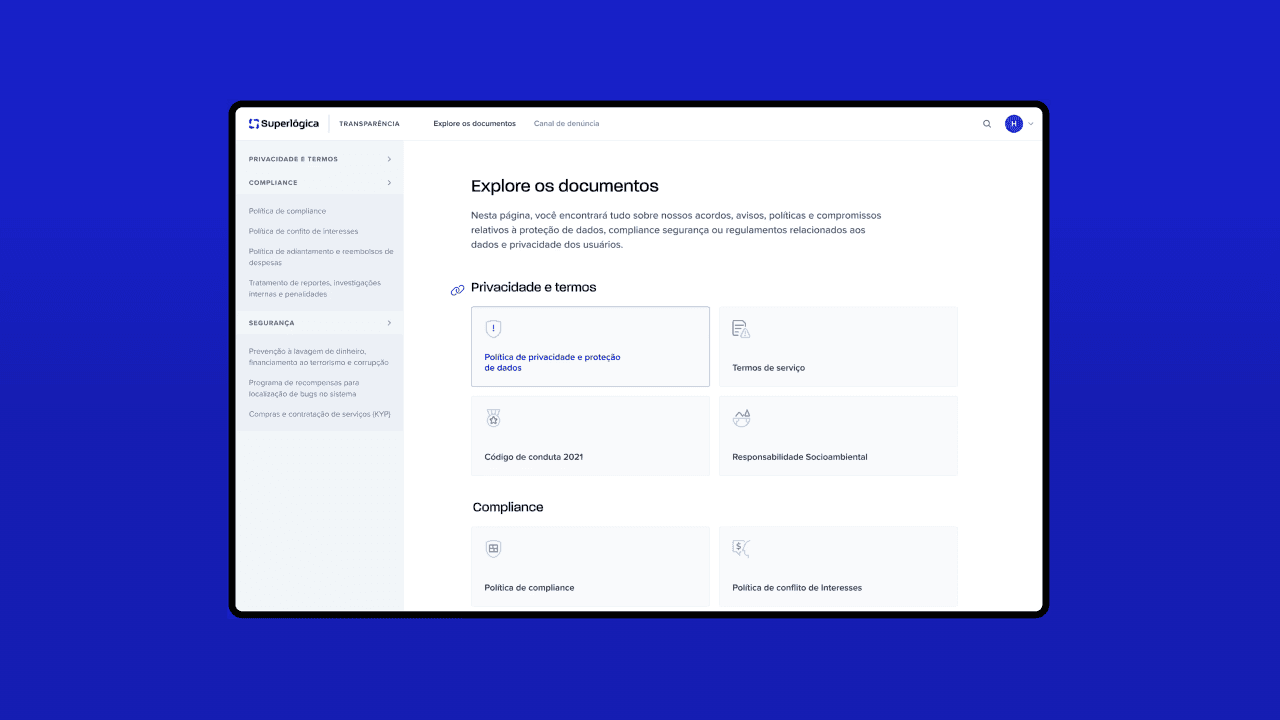
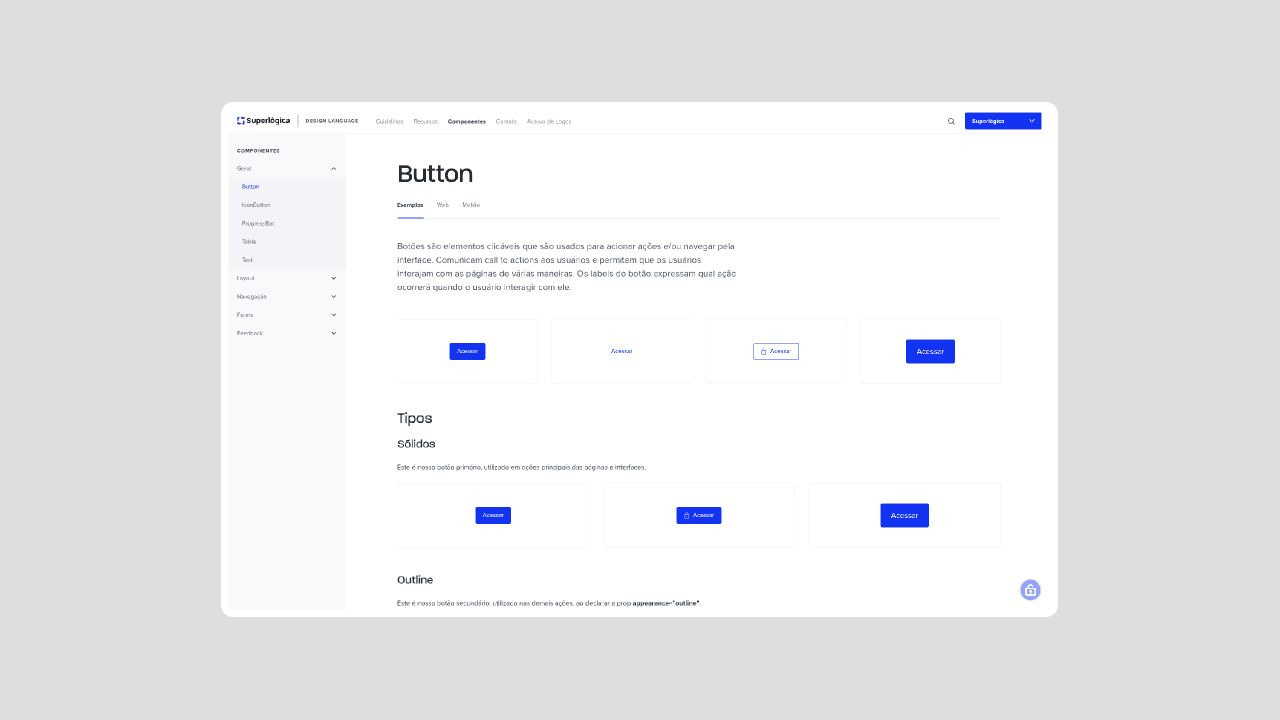
Superlógica: Forged into a Leader
At Superlógica, I lived through the chapter in which I stopped being only a designer and became a manager.
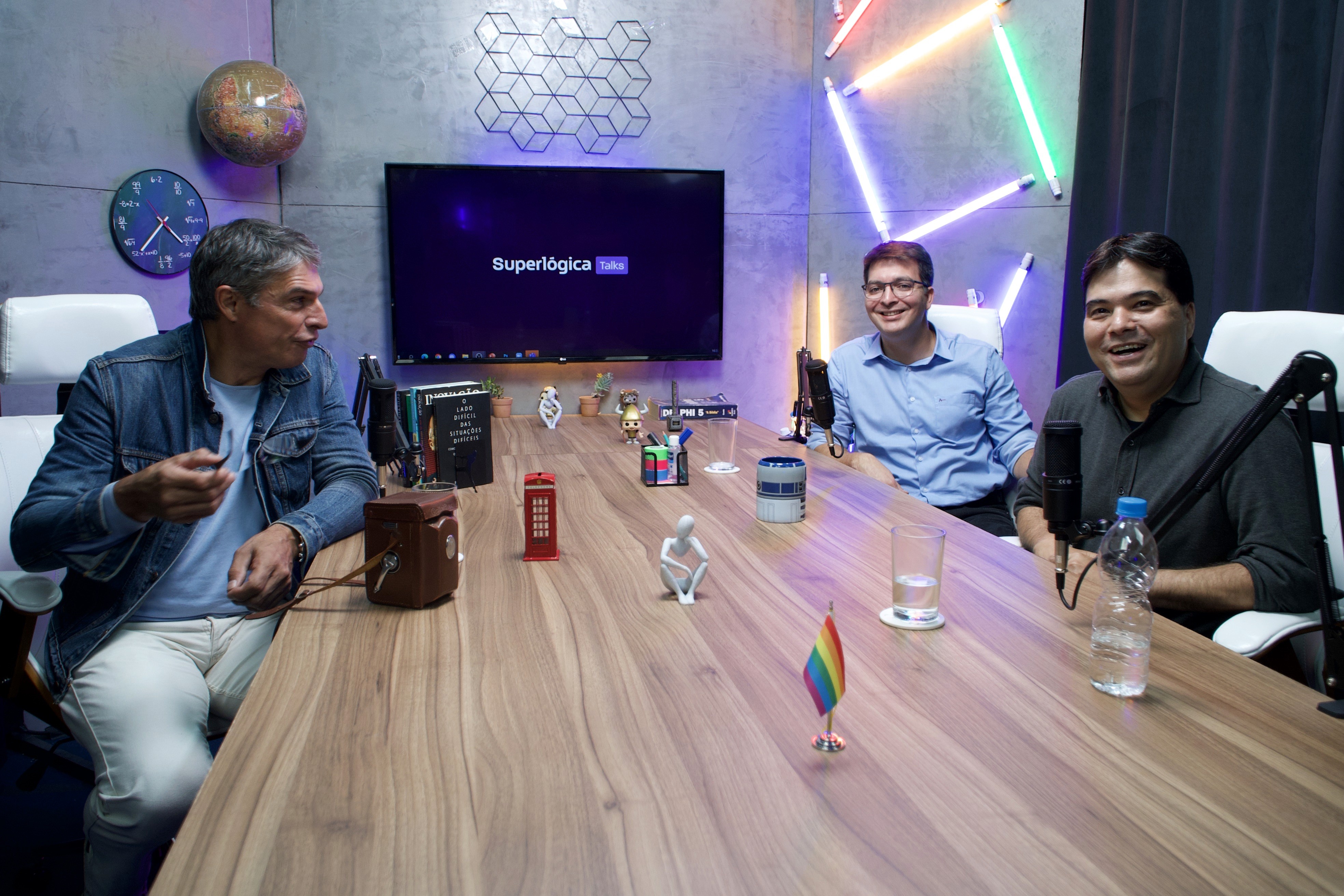
There, I learned that leadership was not about designing on my own, but about orchestrating diverse talent: designers, art directors, motion designers, type designers, developers, and others. More than 25 people, each with their own strengths, all needing direction and room to grow.
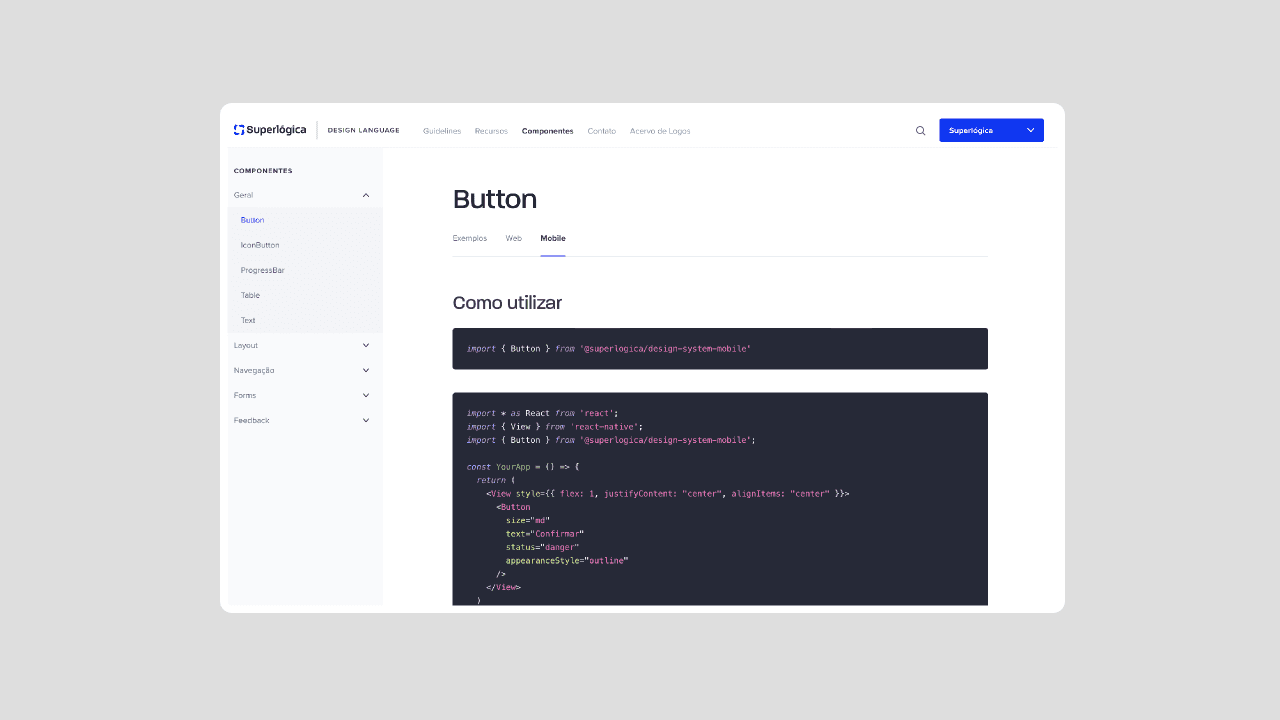
It was complex territory: fintech, SaaS products, event brands, mergers, and rebranding projects, all happening at once. I had no choice but to build solid operations that could make room for creativity at scale. I documented processes, built autonomous teams, and created systems. In that crucible, the Superlógica Design System was born: a multi-brand design system created in 2019, when the concept was still rarely discussed in Brazil. We designed, coded, and documented a product from the ground up, ready to support the organization's growth.
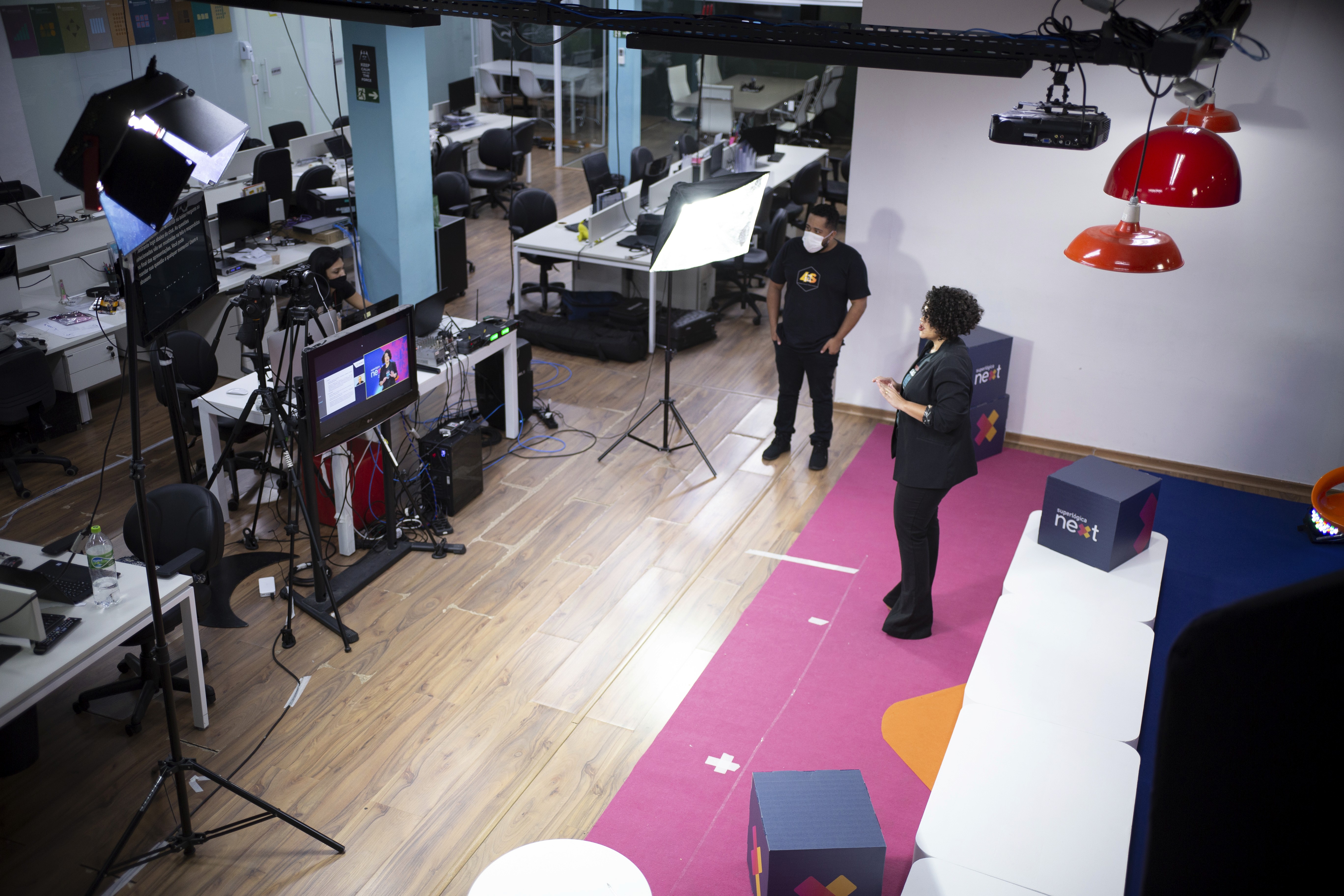
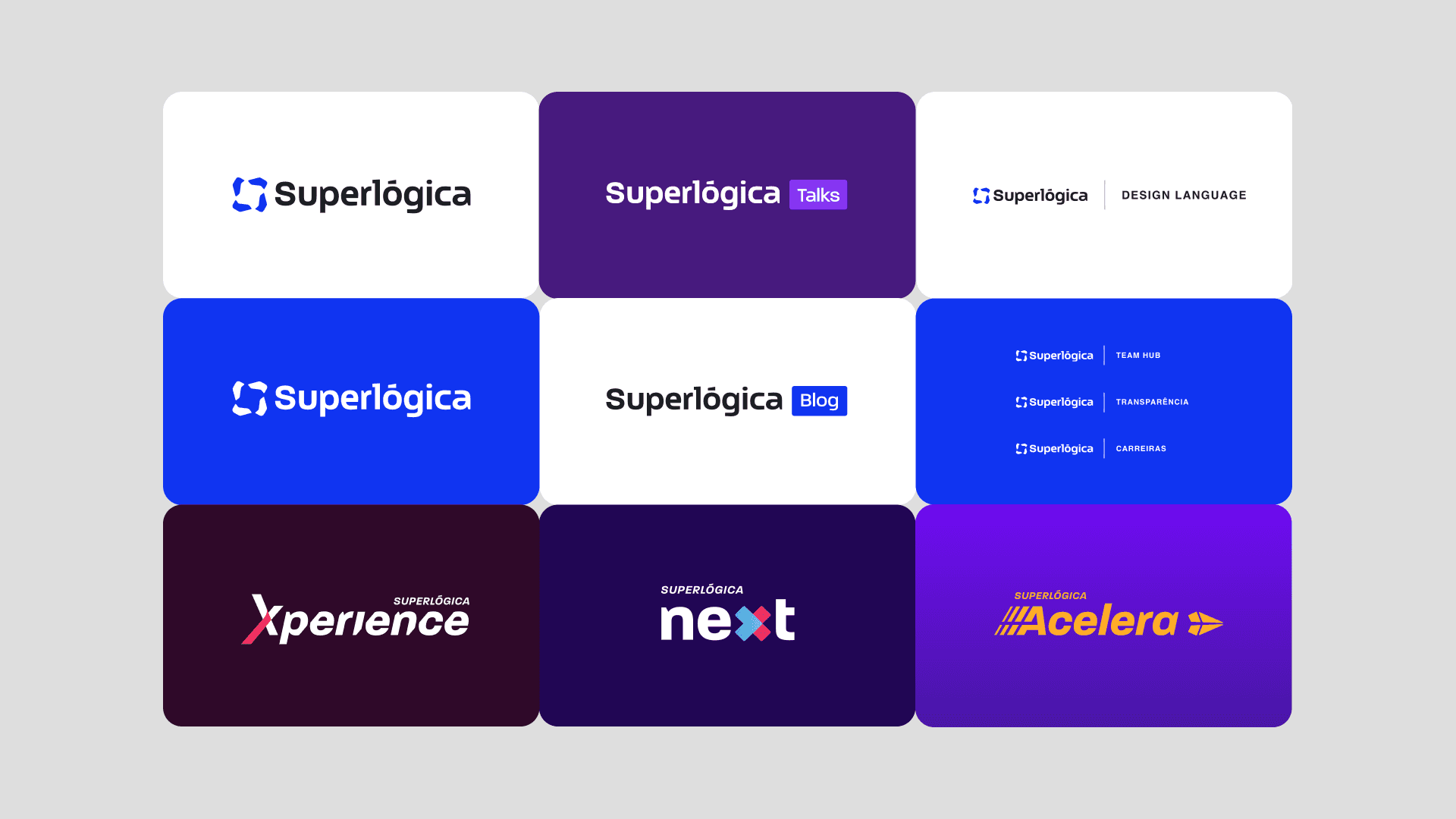
The culmination of that learning came with Superlógica's complete rebrand and the delivery of one of the world's largest SaaS events, attended by more than 4,300 people. It was not just about colours and logos on a huge stage. It was about proving that design could support journeys at massive scale, connect digital and physical experiences, and maintain coherence across a multifaceted organization.
Before that, my perspective had been shaped by the entrepreneur who made things happen through sheer determination. At Superlógica, I was forged into a manager: someone able to turn complexity into direction, transform teams into engines of delivery, and prepare design to become much more than aesthetics: a sustainable, indispensable organizational capability.
This is where the Daniel who would later take that maturity into much larger arenas, such as Itaú and Santander, came into being.

Anora Campo: my entrepreneurial beginnings
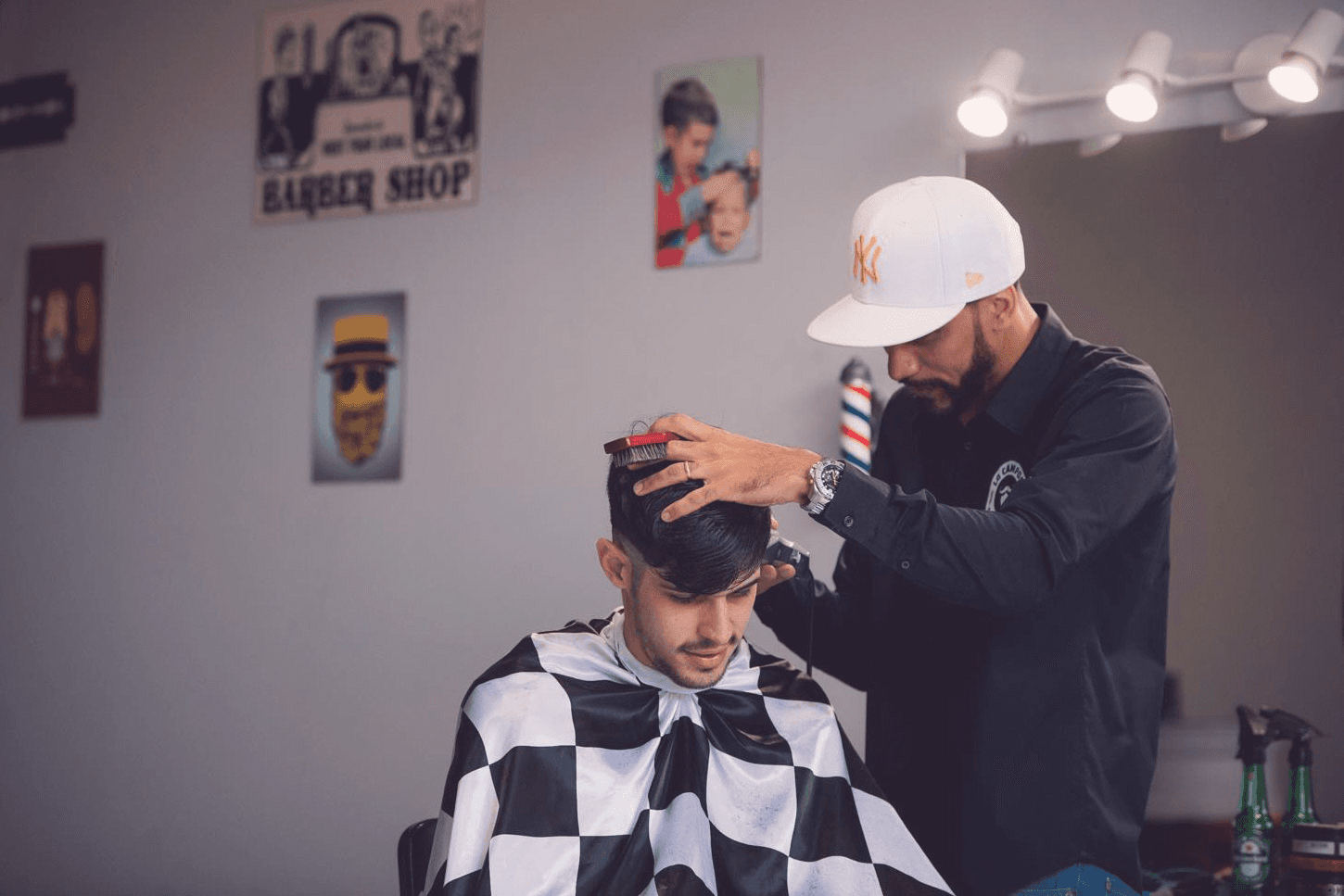
Before thinking about large teams, design systems, or strategic products, I had to face my own battlefield. In 2011, I founded Anora Campo. It was where my creativity met independence: prospecting, negotiation, briefing, creation, delivery, presentation. It was all mine. Every project was a battle won; every satisfied client, a small victory on the map I was drawing for my own journey.
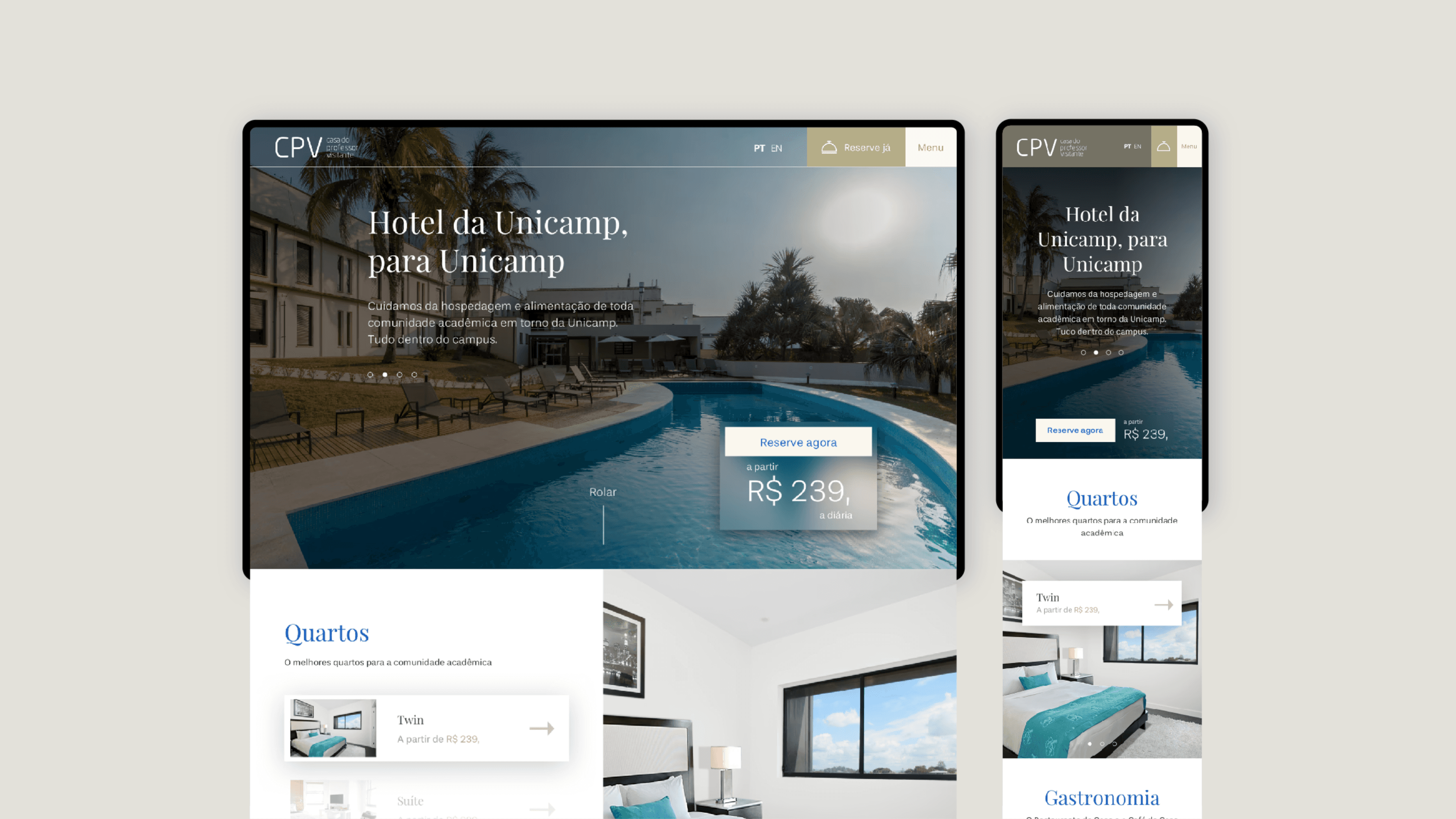
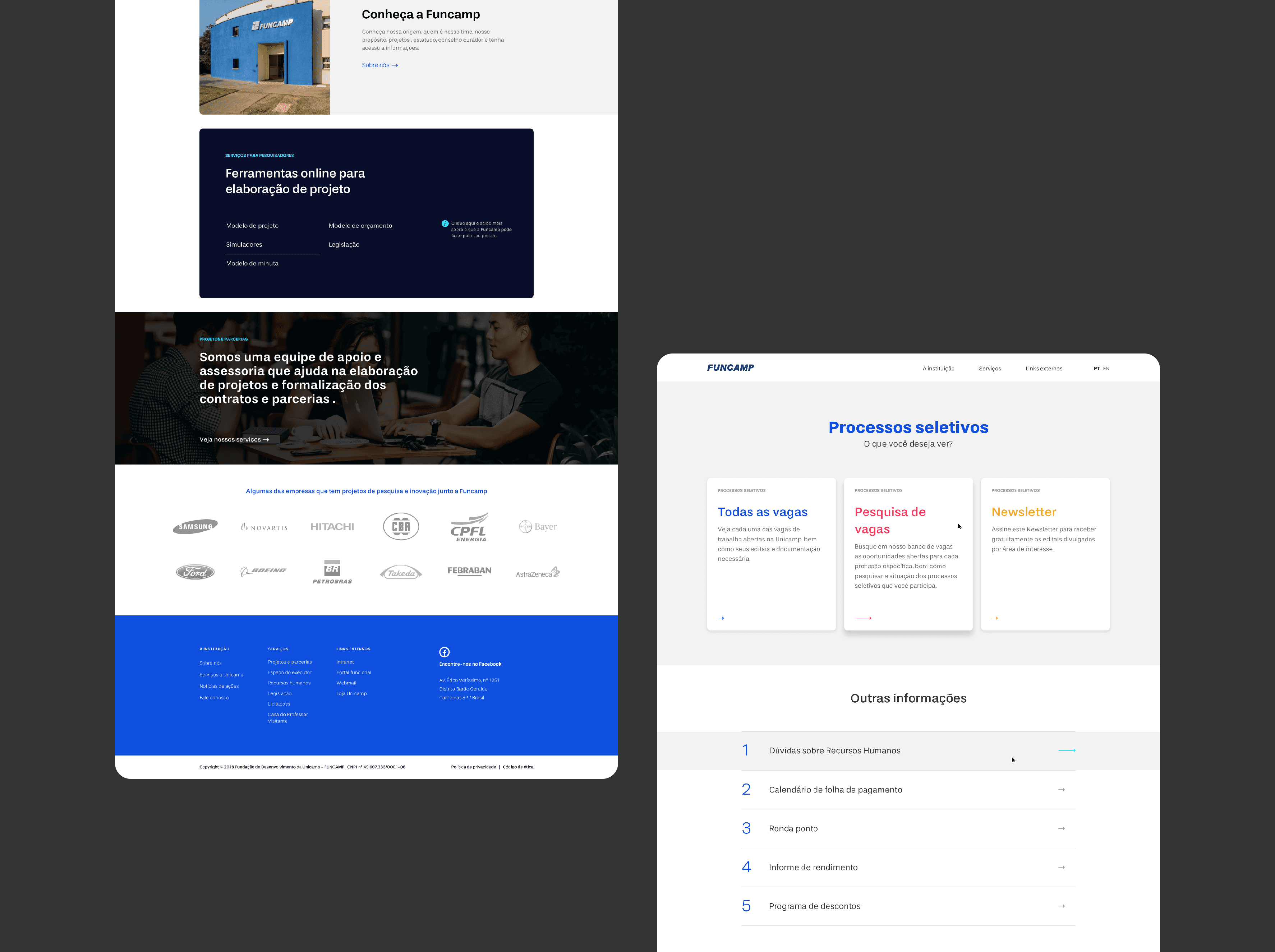
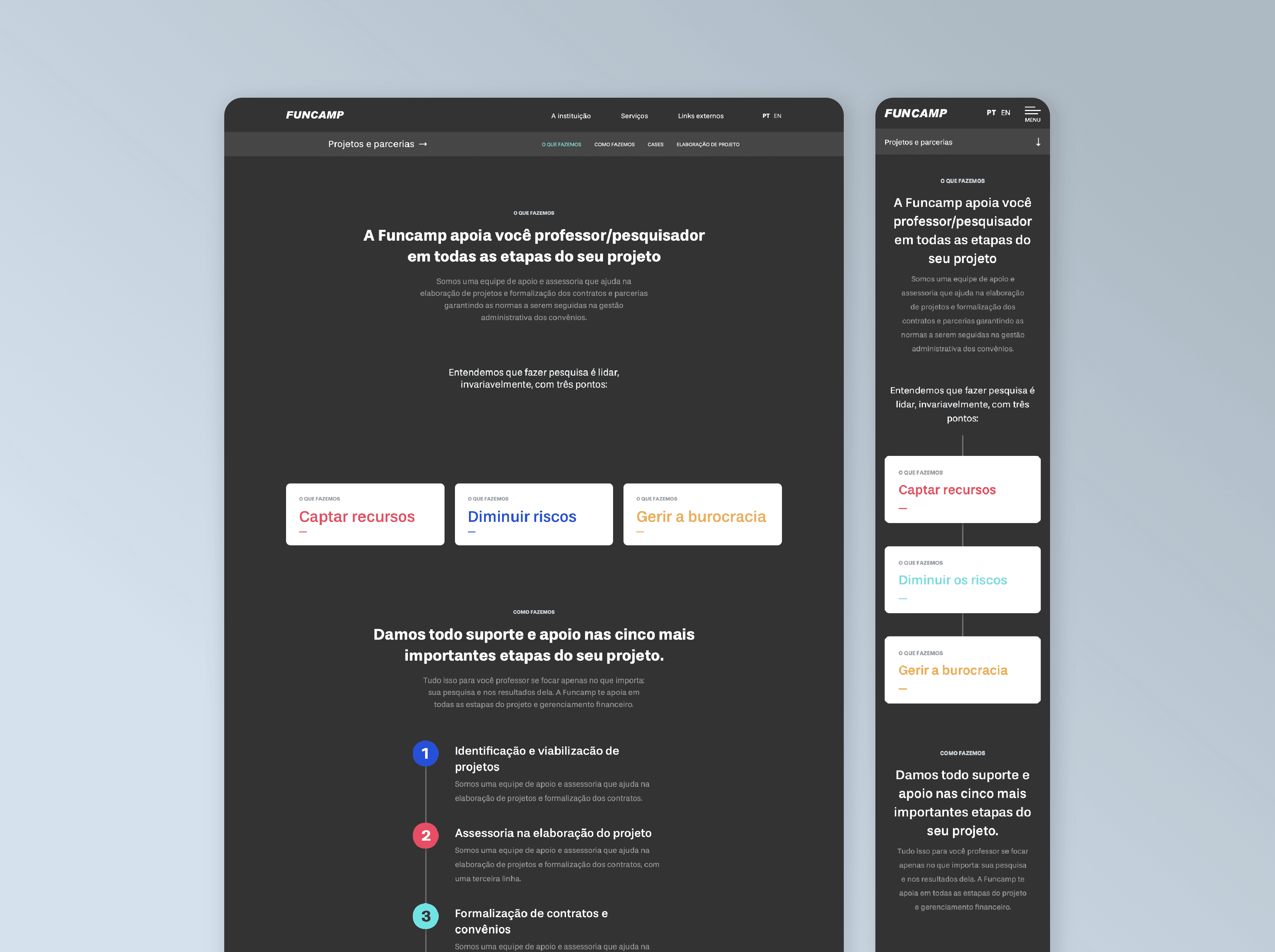
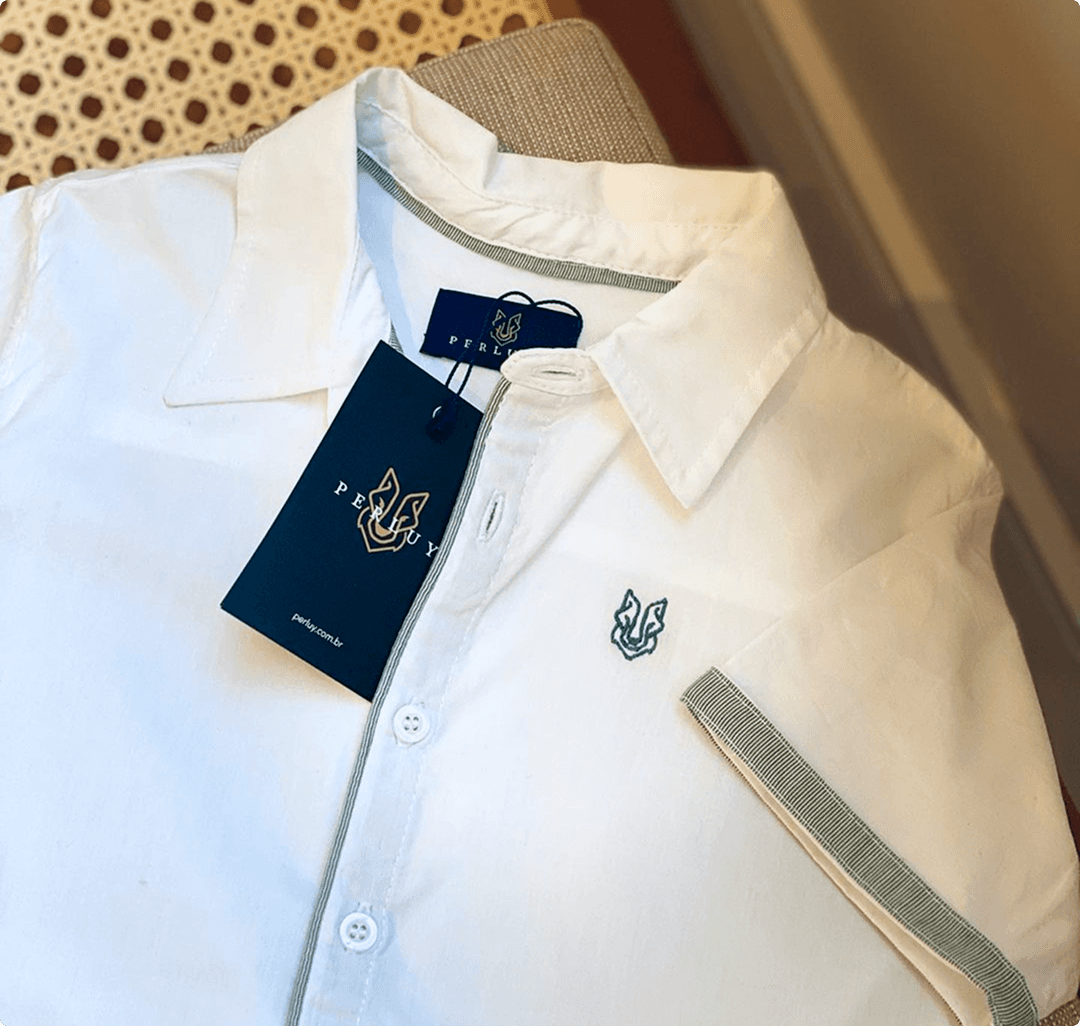
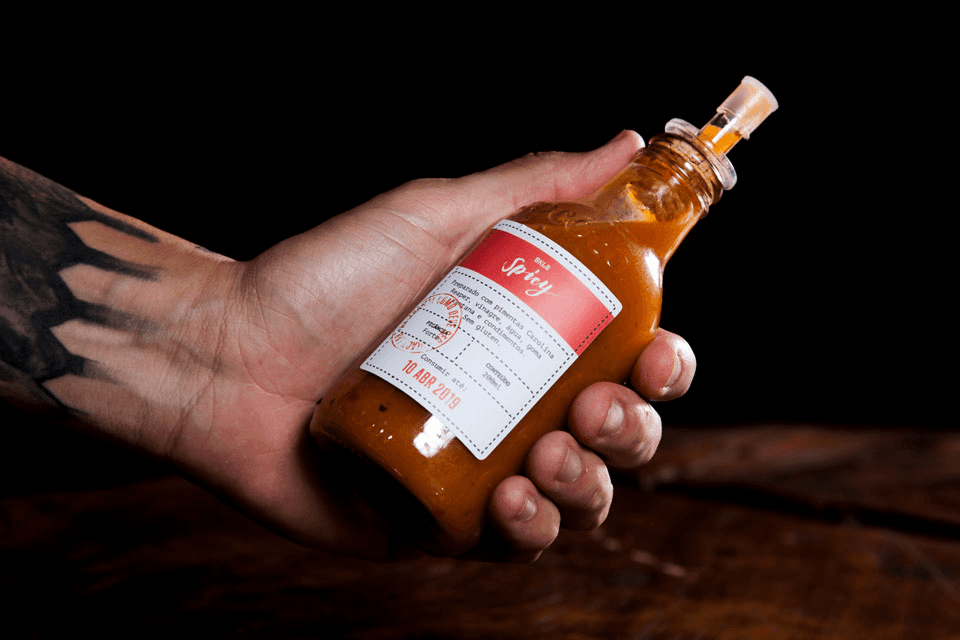
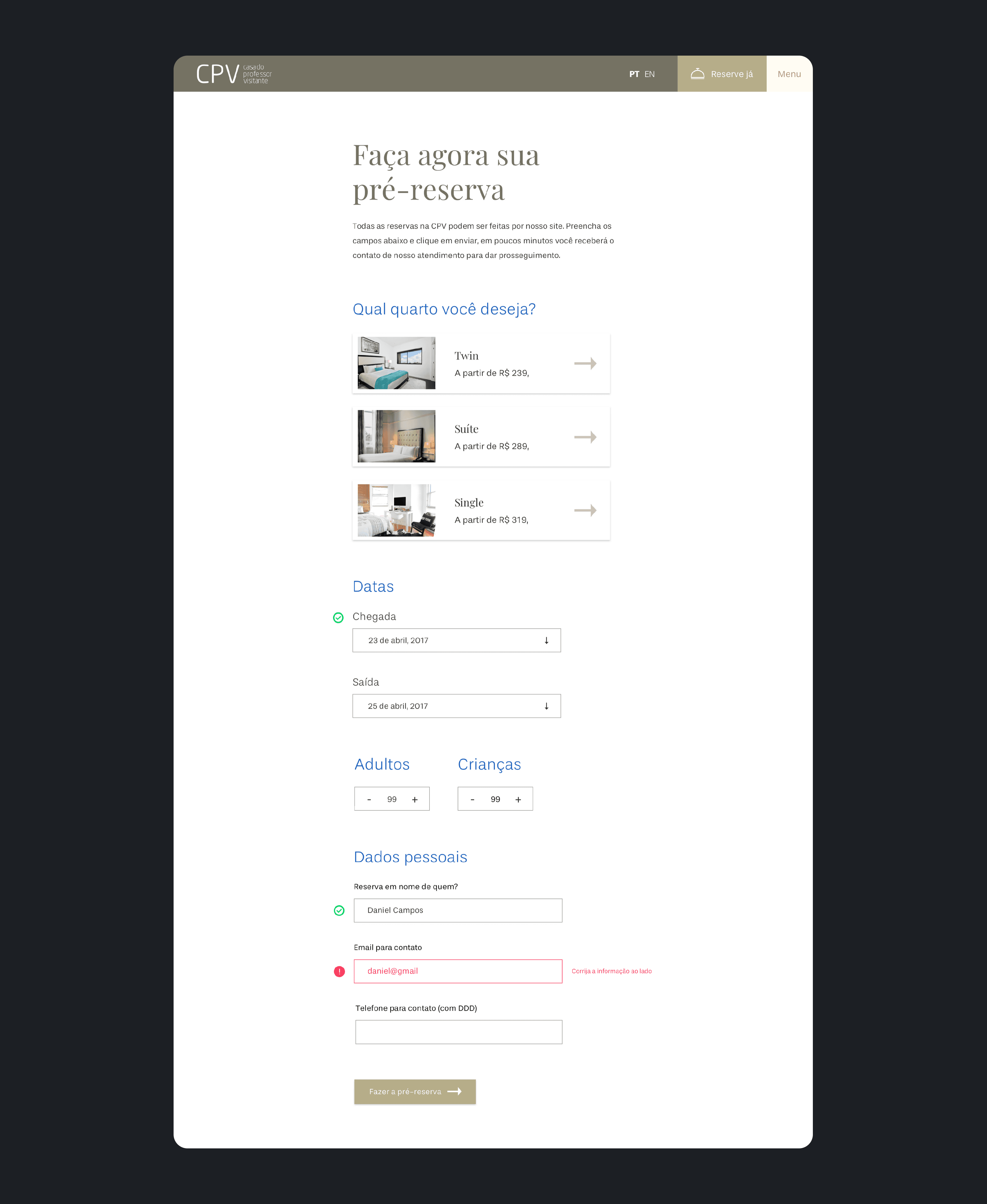
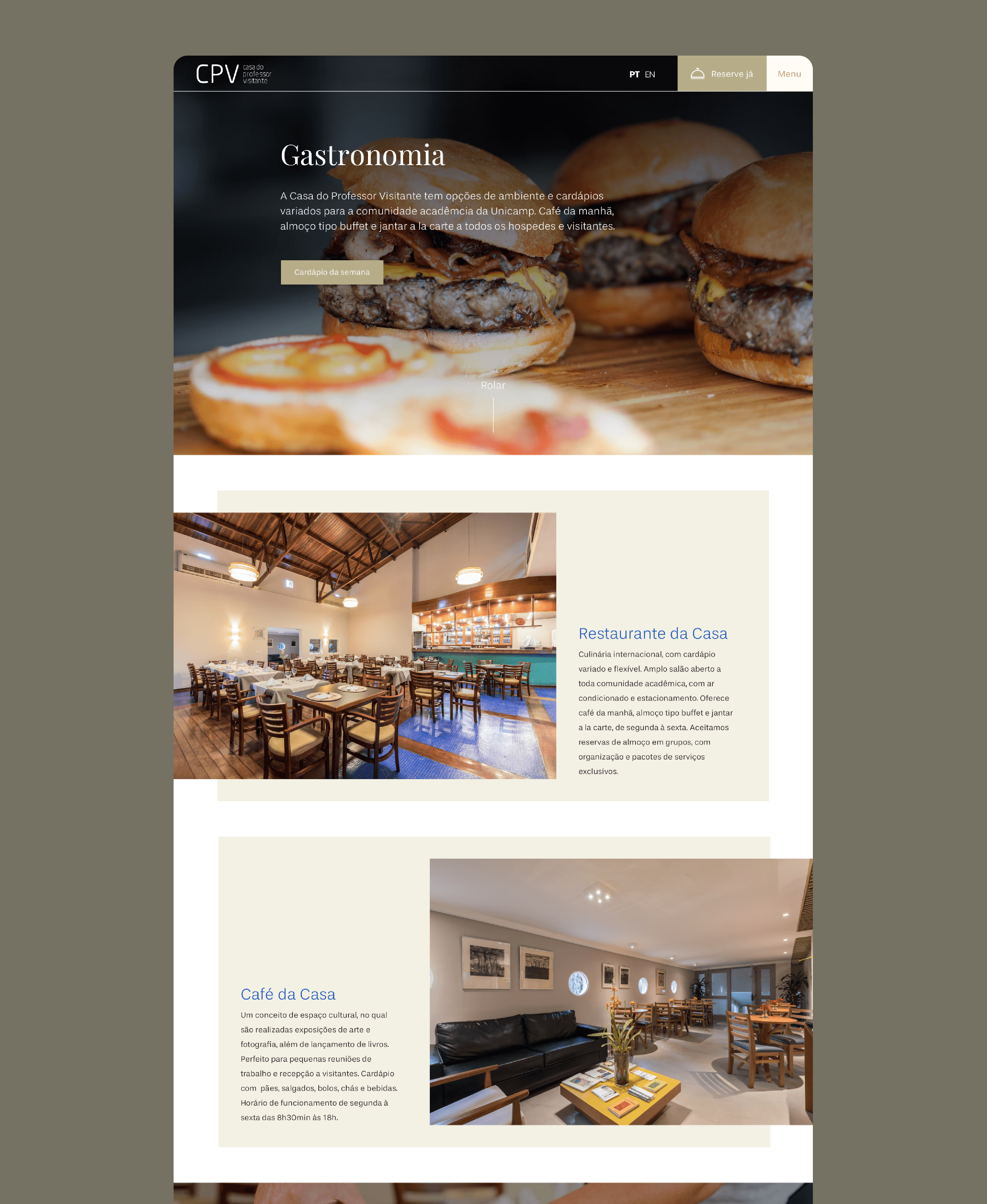
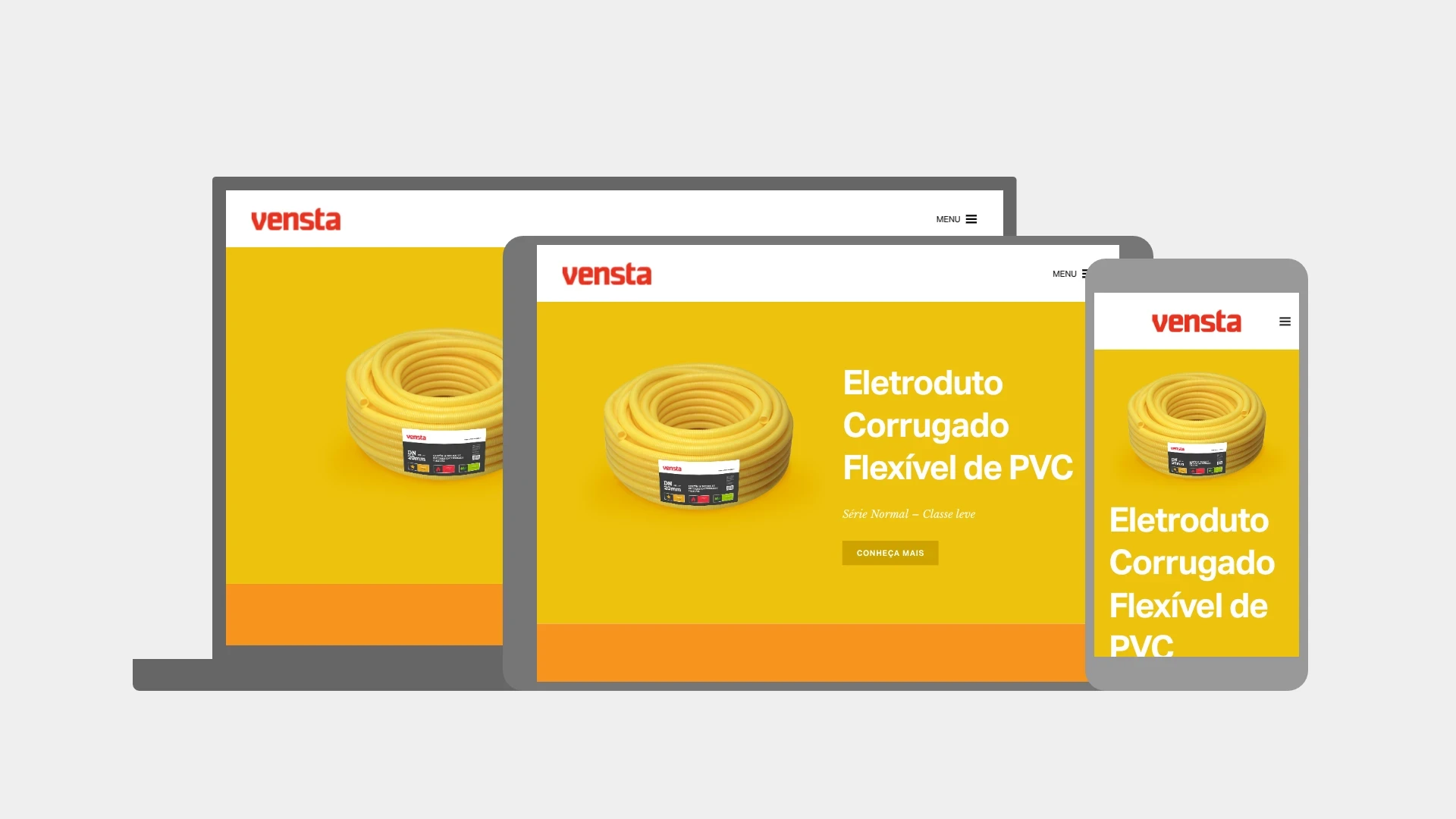
Over seven years, I learned to negotiate, turn pain points into opportunities, face the blank page, and refine my craft, creating real value for both my clients and myself. The projects ranged from pure branding, including brand creation, visual identities, and complete strategies for fashion companies, manufacturers, and restaurants, to complex digital products, such as the redesign of FUNCAMP/Unicamp's digital experience, with multiple personas and distinct contexts.
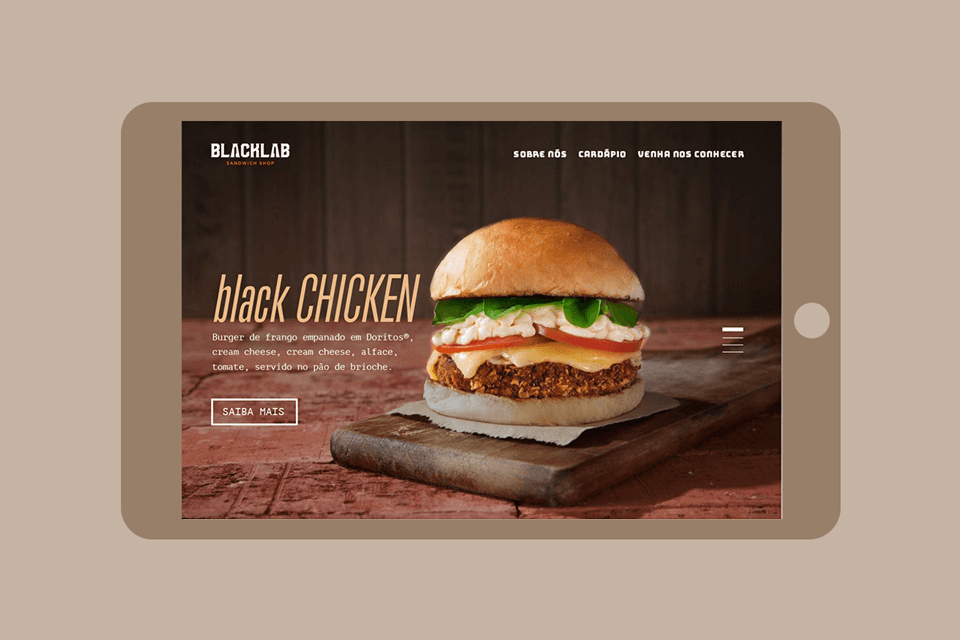
Some projects left a lasting mark. Blackball was a complete branding case, from naming to communication strategy and brand design. It helped transform the company and set it on a path of growth and greater prominence in its market, a trajectory that continues to this day. Casa da Tradução, featured in the renowned German magazine Novum and selected for the German Design Award, showed the strength of thoughtful design and its ability to earn international recognition. And FUNCAMP opened my eyes to the complexity of digital products, laying the groundwork for my later work in strategic design and systems.
Anora Campo was where my entrepreneurial journey began: the laboratory where I learned to create from nothing, make difficult decisions, lead projects and people without a formal title, and develop a holistic perspective on design, business, and community.
Educator, writer, and community builder
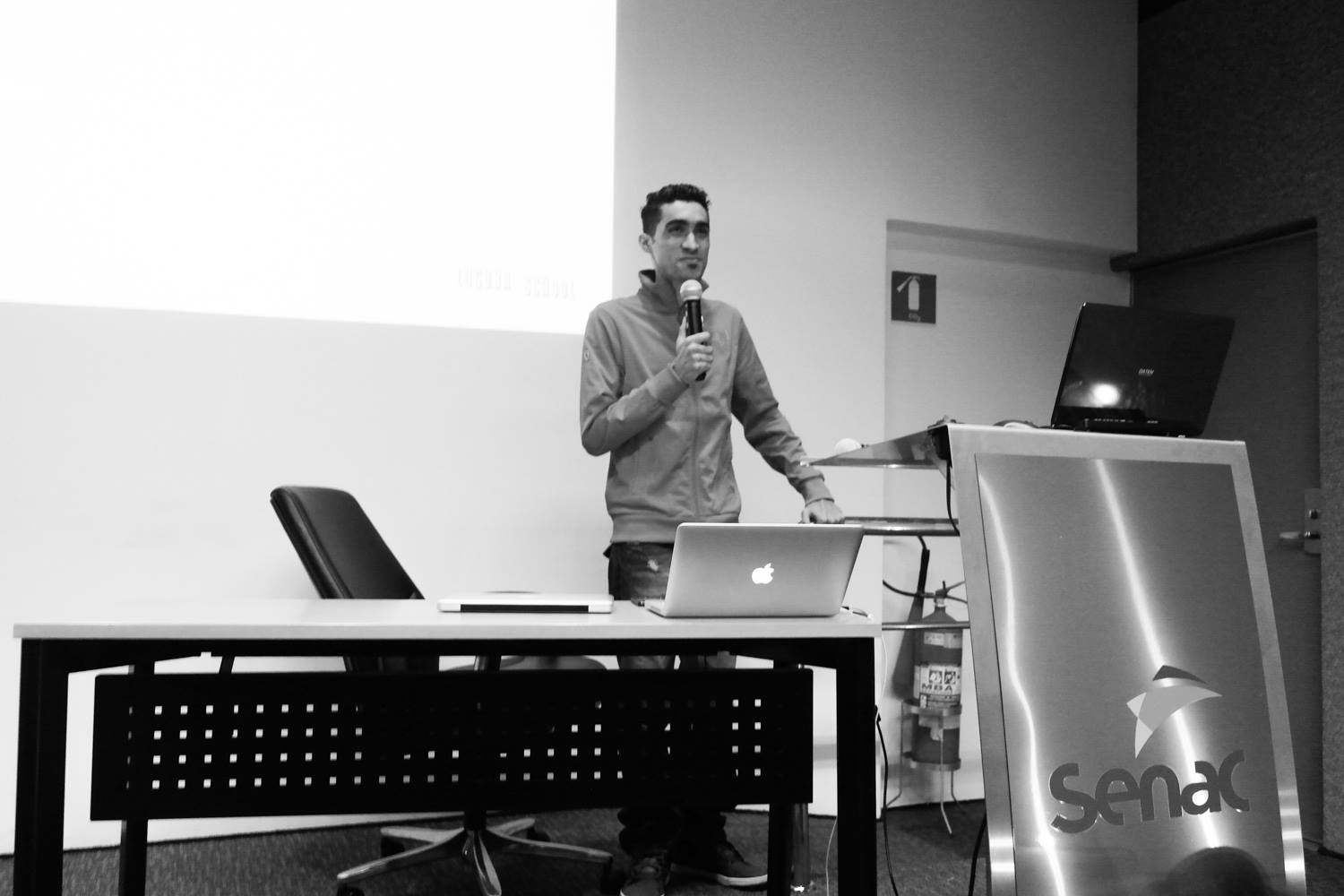
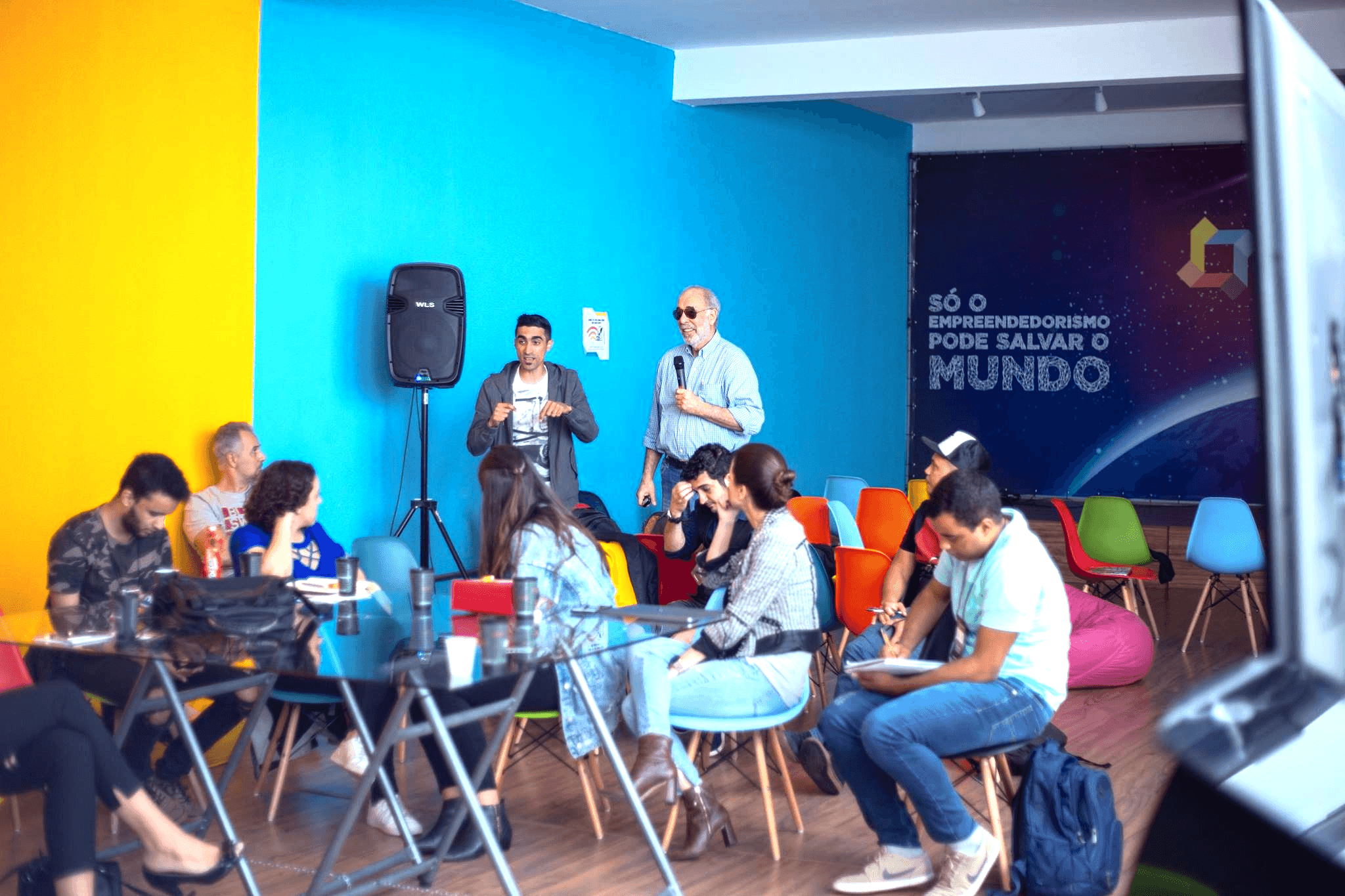
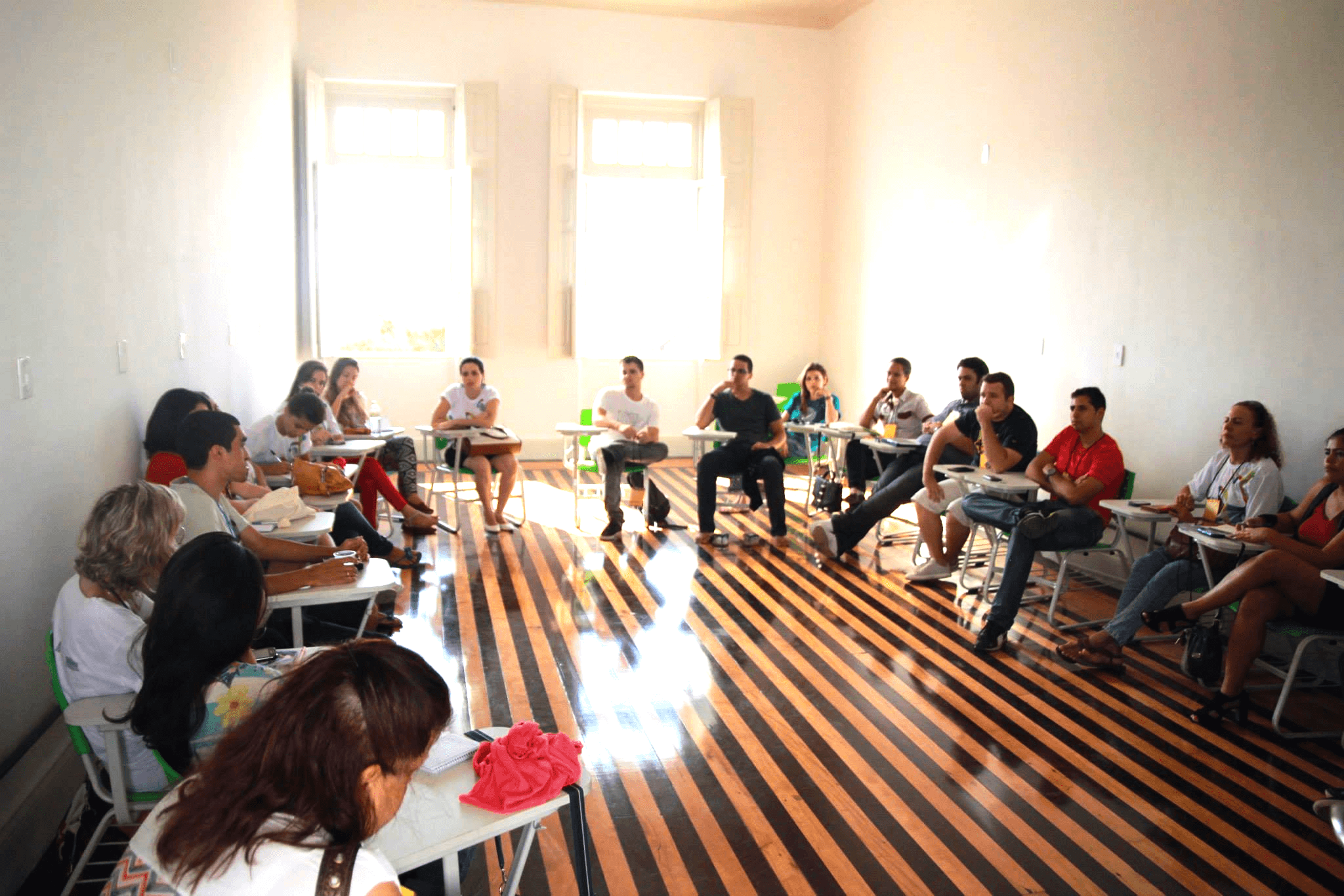
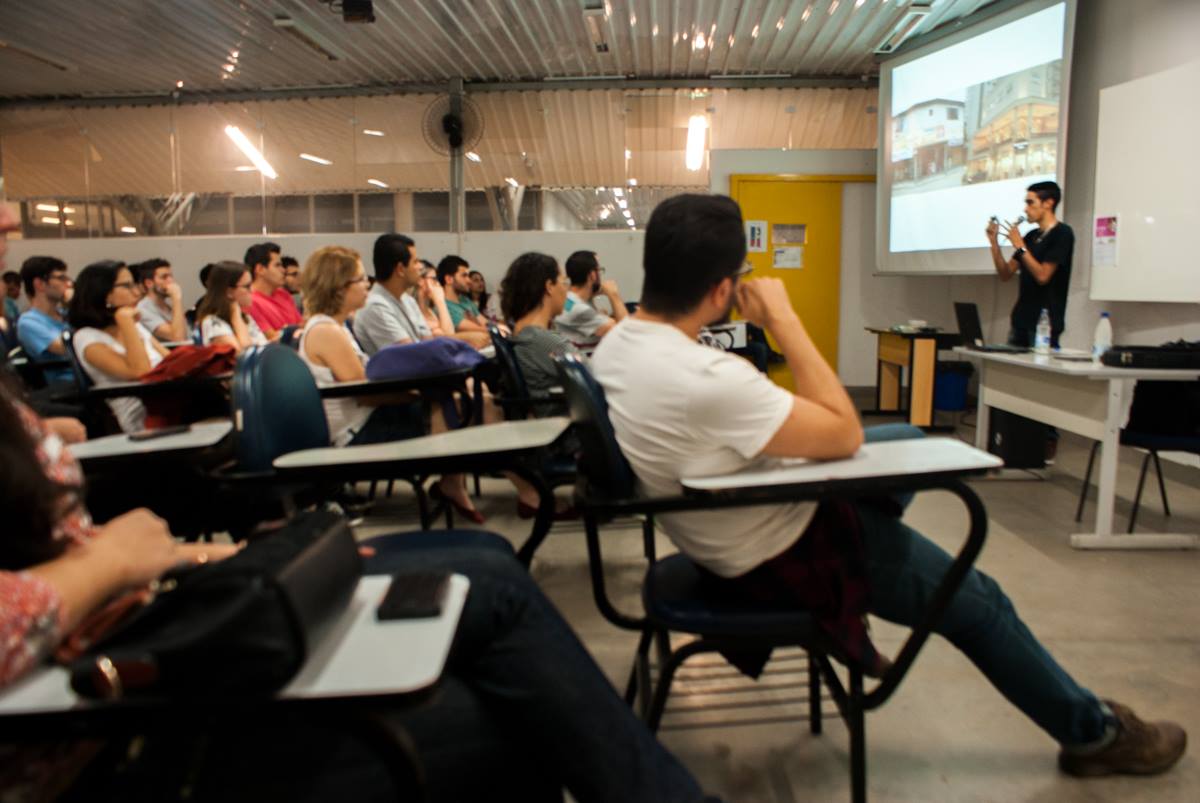
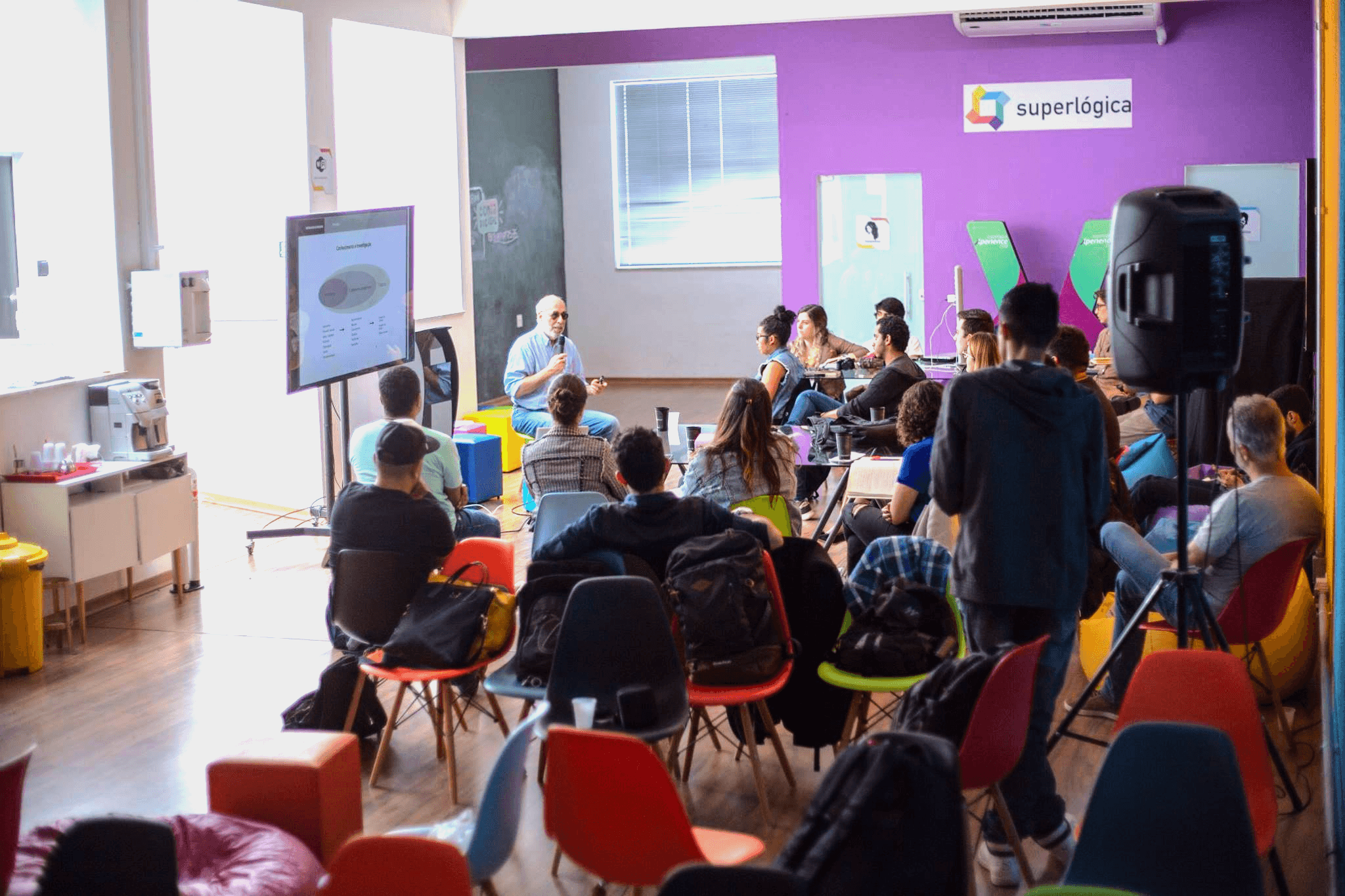
Beyond leading teams, systems, and products, I found another way to make an impact: activating people, ideas, and ecosystems. I taught design and strategy at two universities, sharing knowledge in ways that were practical and inspiring. I also founded LOGOBR, which was the most influential branding website in Brazil during the first half of the 2010s. Through it, I shared lessons, sparked reflection, encouraged discussion, and connected people and experiences.
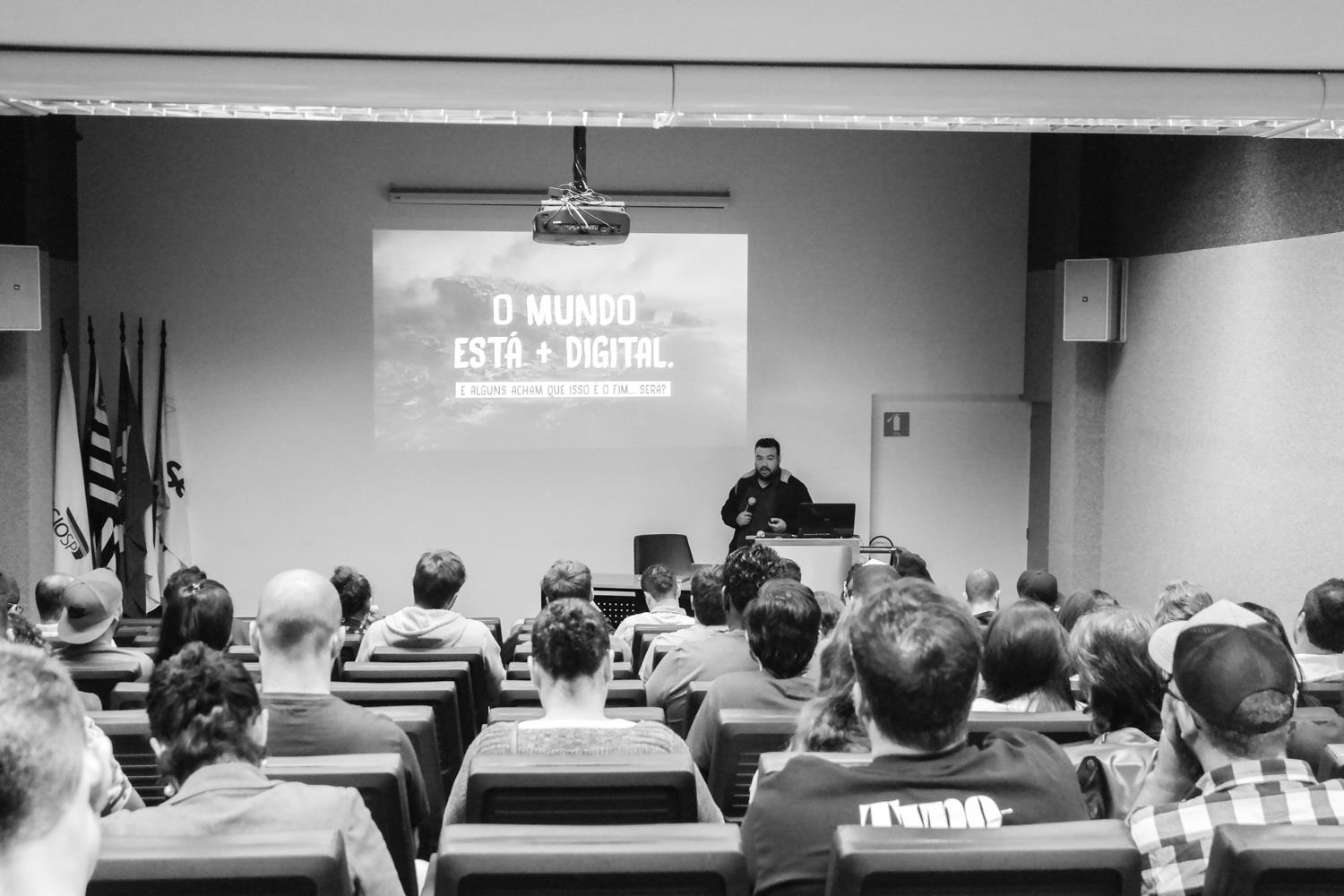
What began as a university assignment propelled my career forward. A kid from a small town started receiving invitations to speak at universities and events. In the end, more than 700 people attended my talks at leading institutions such as Unicamp, PUCCAMP, UFPB, and UNESP, across the states of São Paulo, Minas Gerais, Paraíba, and Espírito Santo.
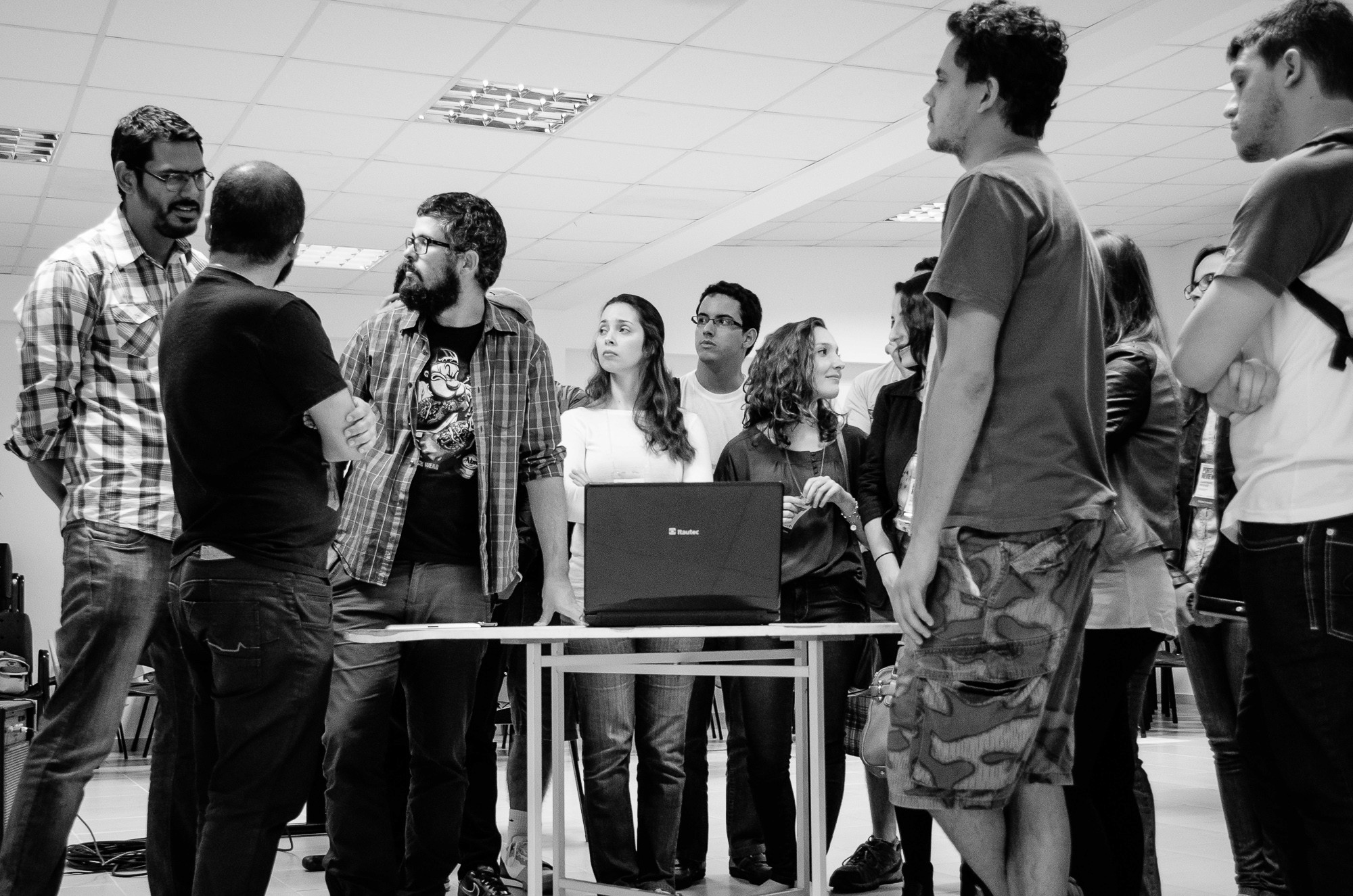
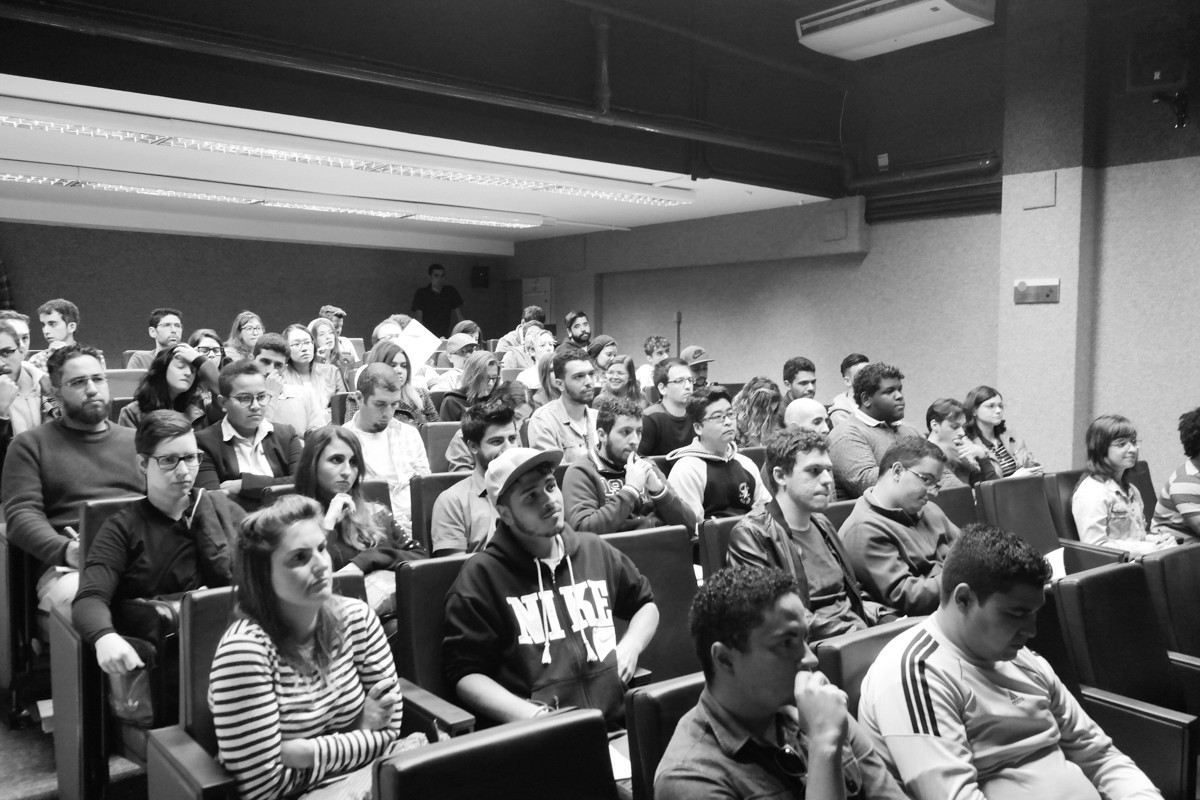
I wanted to do more than teach: I wanted to move the design community forward. Through LOGOBR School, I organized events, group project reviews, and in-person courses, supporting local professionals and bringing leading Brazilian and international practitioners to the interior of São Paulo. Eduardo Bacigalupo, Michel Mota, Hugo Kovadloff, Marina Chaccur, Cecília Consolo, Rodrigo Saiani, Marjorye Cavazotto, and many others took part in these gatherings. Alongside them, an entire generation of designers from smaller cities found room to grow, find inspiration, and connect. More than 1,000 people attended the events I organized.
My mission was clear: build bridges, accelerate learning, and foster a culture of excellence and collaboration. There, I learned that leadership does not always require a formal title. It can mean inspiring, challenging, and mobilizing people, opening paths for others to thrive and allowing design to spread beyond the walls of an office.